Toolkit – Larger projects : Before you start……

Return to Toolkit homepage

Local Studies should receive enough funding from their local authority to  run its core services, including running some community engagement activities, however it is not long before you can identify ways that, with extra resources, you can make more of an impact.

This section of the toolkit offers top tips on the extra work required to turn a small project into a large one. The core principles and planning required to be undertaken before tackling a large project can be found it two key sections of the toolkit:

Linking into Local Authority priorities

Community engagement planning

…..plus

  • Larger projects can focus on a particular local studies resource, so the appropriate pages in the Resources section of the toolkit will be of great use.
  • The social media, exhibitions, websites, copyright and conservation sections may also be of great use.

Key areas to consider when you move towards a larger project:

Planning

Creating an activity or action plan is a good way to articulate your project and work out what you are trying to achieve, how you are going to do it and what it will cost. If you are thinking of applying for grant funding it is useful to start with your plan and a budget as this will help you to write the rest of the application. There is useful guidance on activity planning that you would need to use for any NLHF funded project but it can also be used for your engagement plan, including a template:https://www.heritagefund.org.uk/publications/activity-plan-guidance.

Inclusion

When creating a Local Studies project another good starting point is to think about a variety of entry levels for participants and how they can get involved. As noted in the community engagement section of the toolkit, these can range from exhibitions, talks and workshops to creative activity. You should also think about how the community can be involved in developing and managing your project, what are the volunteer activities, can you create a project community forum, perhaps even ask members of the community to be involved in the recruitment of project officers or consultants if required such as attending interview presentations.

Skills and training

Opportunities for training and learning new skills for both staff and volunteers should always be built into project costs, which provide important outcomes for building capacity within a community or your organisation to create and manage future projects; provide pathways to lifelong learning, further and higher education and employment; and improved well-being.

Websites

It is always tempting to create a website or other digital outputs for a project as they appear to be quick-wins. But think how these will be sustained after the lifetime of the project and when technology and formats change. There is probably a graveyard full of abandoned project websites! Having said that, digital outputs can be a brilliant way of engaging new and wider audiences so if you do choose this route think how can you build in on-costs for the future? A good tip is to include additional years of support from your developer in the budget and within your procurement. Many funders are realistic and happy for organisations to do this.

Got something to add?

Do you have any comments, suggestions or updates for this page? Add a comment below or contact us. This toolkit is only as good as you make it.

Read the next section of the toolkit: Finding out more about your target audiences

Return to Toolkit homepage

Toolkit – Large projects : Evaluation

Return to Toolkit homepage

Return to previous section of the toolkit: Larger projects – crowdfunding

Many funders require this but even if they do not it is worthwhile including it in your project as it will help inform and improve future activities. Ideally you will have continuous evaluation of project activities with participant feedback through forms, questionnaires, anecdotal evidence; but if you do have funding then it is worthwhile including this within your budget and employing an external evaluator such as a heritage consultant as you are most likely to receive better feedback from participants as well as useful external criticism and validation.  Think also how participants may more creatively feed into the process, such as holding a workshop or perhaps creating a video.

From Collection Culture Wiltshire

From Melksham Remembers

More information on evaluation in a local studies context can be found in our section on measuring impact and the HLF’s guidance on evaluating projects.

Got something to add?

Do you have any comments, suggestions or updates for this page? Add a comment below or contact us. This toolkit is only as good as you make it.

Return to Toolkit homepage

Toolkit – Larger projects : Finding out more about your target audiences

Return to Toolkit homepage

Return to previous section of the toolkit: Larger projects – before you start……

Understanding audiences

When undertaking any community engagement project it is important to know who your target audience is. This will have an impact on the type of activities you design and enable you to be prepared when opportunities present themselves.

Are you looking to enhance the experience of existing users? Though your current users may be a broad audience, it is likely you will have an understanding of their needs. If you are not clear, then a simple survey either within your library or online may elicit useful information. It is always important to evaluate any activity through customer feedback, either through formal questionnaires or more informally through fun ways for people to let you know how they have responded to your event. This audience is also easier to market your activities to, but be aware of GDPR regulations and ensure you have secured permission to directly contact them – it is worth building this into any membership or event booking form. It is likely that there are some key local or family history groups that are current or potential audiences for your activities.

Some Local Studies services have created user forums that have provided ways of engaging the community, giving feedback on activities and influencing the direction of services provided.

By their very nature non-users are much harder to engage and at first might seem out of reach, but there are some ways to overcome this:

  • Identify the gaps, for example is it a specific age range or a disadvantaged group or community?
  • Make contact with local community organisations – these might include groups who are already booking meeting spaces in your library or other buildings. If they visit the building why have they not taken the extra step to use the Local Studies collection?
  • Be prepared to network within your wider organisation, colleagues in other teams will have good community contacts and may also be aware and be able to identify different levels of need within a community. For example, during the Covid pandemic various local government services and voluntary organisations identified the issue of digital exclusion that made it harder for some to engage with their community and services during lockdown. Therefore, is it possible to design local studies activities that also provide soft IT skills and promote digital inclusion; and is there a known audience for this activity?

Audience identification:

When thinking about activity planning it is also important to consider why people participate in local studies related activities, rather than simply consider the types of activities they have participated in. Using audience data and anecdotal evidence it is possible to characterise our audiences. For example, you might consider characterising audiences in the following way:

Work related interest – people who use archives for professional and other work activity. These may be regular visitors or one-off users, who need to drill down into detailed information.

Active leisure interest – customers who have a prior knowledge and a desire to find out more, are often regular visitors and make use of the widest range of research aids and resources available to them.

Educational visits – Young people visiting as part of school or college groups, or individually for homework. This group also includes teachers preparing classroom activities. These groups often visit again for informal educational events targeted at young people and families.

Academic interest – university researchers and undergraduates undertaking detailed research. Their interests are subject specific and they tend to visit regularly over a short period of time.

Families – tend to visit just for family events such as heritage open days or family learning activities.

Inspired visits – People who have an immediate, one-off interest in finding out more about a place or subject, such as the history of their house.  They are often open to repeat visits to discover more.

Need to know visit – people who require a particular piece of information that is relevant to their lives, such as rights of way, local authority records; this tends to be their only visit.

Lifelong learners – people who attend lectures and workshops to enhance their knowledge, but not necessarily interested in related Local Studies or Archive resources. They may be open to expanding their interest and may also use Local Studies and Archives elsewhere in the UK.

The National Archives produces a collection of case studies on audience development.

Got something to add?

Do you have any comments, suggestions or updates for this page? Add a comment below or contact us. This toolkit is only as good as you make it.

Read the next section of the toolkit: partnership working in a large project

Return to Toolkit homepage

Toolkit – Larger projects : Partnerships

Return to Toolkit homepage

Return to previous section of the toolkit: Finding out more about your target audiences

Grant funders often like to see partnership working and it is also a good way for your service to engage with new users.

Identifying potential partners

Potential partners can be sought from across a range of sectors:

Within your wider organisation

If your service is based in a local authority you may look towards sister services such as Archives, Museums, Art Galleries etc. However, it also worth considering colleagues in other departments for example countryside and rights of way, leisure, skills and learning, adult care, services for young people and colleagues responsible for delivering specific actions such as digital inclusion. By thinking more widely than traditional partnerships this also helps to widen and diversify audience engagement and create different activities.

Other heritage organisations

These might include local properties owned by national organisations such as the National Trust and English Heritage, local independent museums and heritage centres, or Local History groups and networks. Again, all will help open up new audiences and activities and add value to your project. However, it is sometimes harder to get larger national organisations on board as they inevitably have other competing interests, so patience and persistence is required in identifying key officers and building relationships.

Regional & national consortiums

These are often formed to provide joint solutions to common problems such as digitisation, storage, training and employment schemes, where there are benefits for spreading costs and workload, or even securing better commercial deals. An early example that involved many Local Studies Services was the Newsplan 2000 microfilming project.  Some grant funding, including some NLHF schemes, is geared to consortium approaches and such partnerships should not be discounted.

Community partners

These are possibly the most important partnerships to develop when trying to diversify audiences and make your activities more inclusive, often involving the voluntary community sector. Such partnerships are extremely rewarding and help identify and quantify audiences and mould your project. These might include those organisations working with BAME groups, Adults with Learning Difficulties or with Mental Health issues; or care support groups such as those helping people overcoming strokes, Alzheimers etc. Again, relationships take time to build so try to work with such organisations across a range of projects by embedding them in all your project designs.

Schools, colleges and higher education

These are often open to working with Local Studies services as we are resource rich and have much needed expertise. In return they can provide expertise and specialist knowledge, while students are often keen to participate as part of their coursework or for work experience. Colleges and universities are particularly good for helping to develop technical areas of your project such as databases and applications.  However, there are two key considerations when working with schools: First, ensure that your proposal fits with their curriculum needs. This need not of course just be in History and the humanities, but could include cross curricular activity such as English, Maths, Arts and Science. Secondly, always ensure your project costs include providing supply teachers as this enables schools and colleges to release staff for planning visits and training.

Commercial educational & charitable contributions

Some aspects of a project may appear too costly or require specialist knowledge, particularly digital outputs such as Apps, 3-D printing etc.  Some companies are happy to provide discount or in-kind contributions as part of their marketing strategy or if they are looking to develop new products. They may also have a specific educational or charitable arm that is geared to working with community projects. Some may be community interest companies, who are regularly looking for partnership and grant funding opportunities. 

Formalising a partnership

Ideally potential partnerships have already coalesced around a good idea or activity when you apply for grant funding or embark upon a project, so developing and formalising partnerships become the most important task.  Each partner’s contribution should be identified in your action plan, but sometimes it is useful to agree a memorandum of understanding – a halfway house between an informal and a formal agreement, which is simple to do and usually satisfies most funders. The memorandum should include financial and in-kind contributions of each party, what skills they are bringing, which tasks each partner is responsible for delivering, description of the forum for decision making and project management. Sometimes it takes time to build partnerships and develop trust so it is always worth thinking carefully about applications for project funding that have short turn-around times and whether it is viable. Will all partners be committed once the project needs to be delivered?

Got something to add?

Do you have any comments, suggestions or updates for this page? Add a comment below or contact us. This toolkit is only as good as you make it.

Read the next section of the toolkit: Setting project budgets

Return to Toolkit homepage

Toolkit – Larger projects : Setting budgets

Return to Toolkit homepage

Return to previous section of the toolkit: Project partnerships

Project budgets often comprise:

  • Grant funding – funders will always have criteria that limits how money can be spent and the types of activity required. While it is always tempting to chase the money you do need to ask if it is a good fit for what you wish to achieve. In many cases grants are also given as a proportion of your total budget. Therefore, if you are expecting other income it is important to be sure this is secured, otherwise if you fall short then you also have to cut proportionally what you spend.
  • Cash matched funding – as noted above, many grant funders require matched funding. Even if matched funding is not mandatory, if you can provide any funds from other sources it often demonstrates commitment and may also enhance and give more flexibility on what you can achieve.
  • In-kind contributions can enhance the value of a project but be careful to ensure that these activities are practical and are needed. For example, it is tempting to count partners attending meetings as in-kind but in reality, though useful, they do not help fund the delivery of core tasks or activities. Typical in-kind activity might be volunteer time working on and delivering project activities; your staff or a project partner’s time delivering an activity; waiving of fees such as room hire or reproduction; recruitment and payroll; design and graphics.

What to include in a budget?

Capital e.g.

  • Display equipment, IT hardware
  • Conservation and materials
  • Physical storage

Labour e.g.

  • Staff costs, including new posts
  • Consultants
  • Creative practitioners
  • Designers
  • Supply teacher costs
  • Evaluation – external evaluator

Revenue e.g.

  • Staff expenses e.g. travel
  • Volunteer expenses – out of pocket and travel expenses to enable more people to volunteer
  • Staff and volunteer training – this might include practical skills such as curation and exhibition design; and soft skills such as IT, research, cataloguing and indexing
  • Marketing materials, printing etc.
  • Exhibition materials
  • IT software, websites, apps etc. (can also be included in consultants’ fees)
  • Hospitality – especially for volunteers, end of project celebrations
  • Venue / room hire
  • Contingency – essential for any project
  • Inflation – important to make allowance for this

Grant funding beyond National Lottery Heritage Fund. 

Although the National Lottery Heritage Fund is the key funder for heritage-based projects, there are a range of grant funding opportunities that may be available to Local Studies services or community projects. A good place to start is the Good Things Foundation database which has a list of a range of funders:

Good Things Foundation UK grants database

Other sources of funding

More information on other ways to raise funding can be found in two other sections of the toolkit:

Got something to add?

Do you have any comments, suggestions or updates for this page? Add a comment below or contact us. This toolkit is only as good as you make it.

Read the next section of the toolkit: Crowdsourcing

Return to Toolkit homepage

Toolkit : Supporting community projects

Return to Toolkit homepage

Many local communities and voluntary organisations look to run their own heritage projects. Often these are in response to national or local anniversaries and celebrations; targeted to a specific need such as restoration, conservation and promotion of a local heritage asset; uncovering hidden histories or communities that have been marginalised or forgotten; or activities for well-being such as reminiscence. In many cases grant funding is available and can be the stimulus, as was the case with the National Lottery Heritage Fund’s schemes for funding World War I commemoration activities.

As well as giving such groups access to their collection, there are many other ways that a Local Studies Library can help. Giving such assistance will often dovetail with your organisation’s business plans, especially providing examples of how the service is helping to enhance community identity. These might include:

  • Providing a venue for meetings and exhibitions
  • Providing in-kind contributions such as discounting fees for reproduction, room hire, staff time etc.
  • Marketing – using your networks, social media and website
  • Delivering project activities – it might be possible to ask for costs to be included within a grant bid
  • Providing grant writing advice and expertise – even though local communities include many people with lots of skills, applying for heritage grants can be daunting and sometimes prevents groups from applying. If you have experience of drafting bids you can help organisations in writing activity plans, setting a budget, thinking about a range of activities etc. You can also ensure that they use the correct language.
  • Project development – with the aim of helping communities develop skills to manage their own projects
  • Evaluation – providing expert evaluation of a project.

Got something to add?

Do you have any comments, suggestions or updates for this page? Add a comment below or contact us. This toolkit is only as good as you make it.

Return to Toolkit homepage

Toolkit: Community engagement planning

Return to Toolkit homepage

Like any Heritage organisation, a good Local Studies service should be looking to widen and develop its audience, ensuring it remains relevant to the local community. But new audiences are not simply going to arrive at your door and a local studies service needs to plan for active community engagement, often within communities themselves.

Linking projects with your organisations priorities

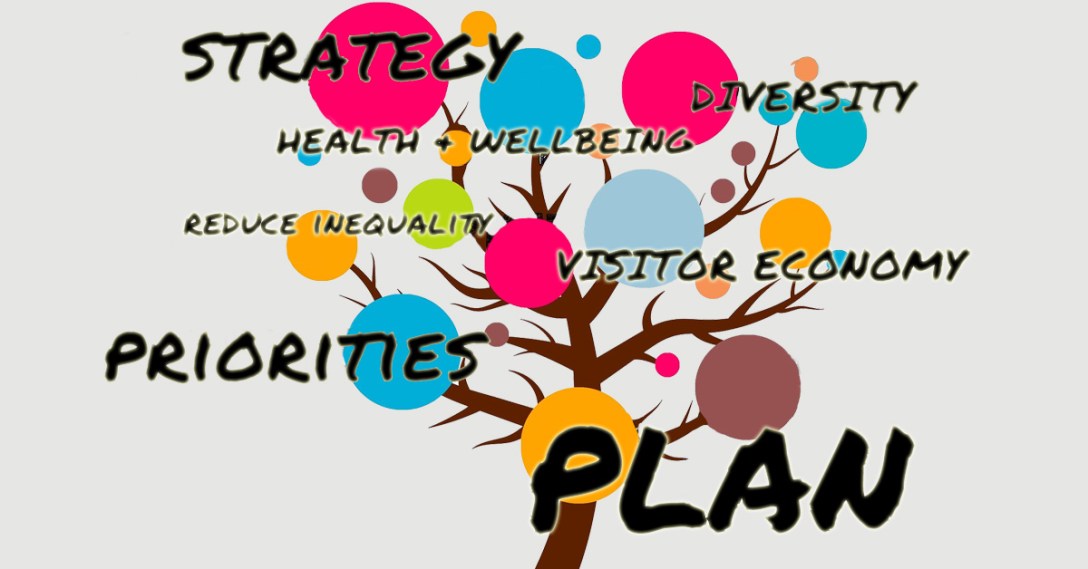
All community engagement projects should dovetail with your organisation’s business plan and your team’s service plan. Outreach activities contribute to key areas priorities for your local authority, such as:

  • Well-being – reminiscence and oral history, heritage walks, creative activities inspired by your collections, volunteering, projects with vulnerable adults and young people.
  • Community identity and stronger communities – initiating community, Local and Family History projects and enabling local people to be involved in developing your projects; or supporting local community groups to apply for funding and manage their own projects.
  • Working in partnership – delivering projects with communities, organisations, other local authorities; participating in regional and national initiatives such as themed commemorations, digital crowd sourcing, training and CPD.
  • Educational attainment – projects with schools, youth groups, targeting disadvantaged young people and children in care.
  • Commercialisation – income generation from community engagement activity either directly in activity fees or as consultants or supportive activity for community projects, i.e. charging for your time. Can projects developing funding bids include budgets for your staff time and resources?
  • Digital – Apps, delivering e-learning and other activity via video, podcasts and live stream, social media and blogs; developing or supporting community archives. Good examples of community archives can be found on Community Archives and Heritage Group | Supporting and promoting community archives in the UK and Ireland .
  • Local economy – can you work with or support local industries including start-ups e.g. creative industries / practitioners?
  • More information about dovetailing local authority and local studies priorities can be found in the Linking with local authorities priorities section of the toolkit.

With limited resources it is not possible to cover all of the above. However, the key actions are:

  1. Articulate a vision for the service. Think about where your service is now and where you want it to be – this will ensure that your community engagement activities help you achieve this.
  2. Be prepared to engage with any opportunities that arise including potential partnerships and funding streams that may become available and fit with your service plan and vision.
  3. Don’t chase the funding for the sake of it, first be sure that it fits with your service plan
  4. Especially for larger authorities, you should create a community engagement plan as this will help you to follow 1, 2 and 3 above.

Nine big questions

There are fundamental questions that you need to answer in order to ensure that your community engagement is a success. If you decide to draft an engagement plan, the answers to these questions should be at its heart.

  • What is the objective? For example do you want to increase physical or digital footfall, widen participation, tackle social or digital isolation?
  • What audience are you targeting? Who do you need to consult?
  • What type of activities would help you engage with your target audience?
  • Where will it take place?
  • Who is doing it and who are the potential partners?
  • How much will it cost, and how will you fund it?
  • How will you market it? This can be a separate part of your plan.
  • What are the outcomes and what targets are you setting?  Tie this in with your business plan, for example will you increase wellbeing by getting more people engaged in physical or cognitive and creative activity through learning?
  • How will you know you achieved your objectives and what evaluation will you undertake?

The National Heritage Lottery Fund have some good advice on developing projects and activities that can help you engage communities:

Understanding audiences

When undertaking any community engagement project it is important to know who your target audience is. This will have an impact on the type of activities you design and enable you to be prepared when opportunities present themselves.

Are you looking to enhance the experience of existing users? Though your current users may be a broad audience, it is likely you will have an understanding of their needs.  By their very nature non-users are much harder to engage and at first might seem out of reach, but there are some ways to overcome this:

  • Identify the gaps, for example is it a specific age range or a disadvantaged group or community?
  • Make contact with local community organisations – these might include groups who are already booking meeting spaces in your library or other buildings. If they visit the building why have they not taken the extra step to use the Local Studies collection?
  • Be prepared to network within your wider organisation. Colleagues in other teams will have good community contacts and may be aware of and be able to identify different levels of need within a community. For example, during the Covid pandemic various local government services and voluntary organisations identified the issue of digital exclusion that made it harder for some to engage with their community and services during lockdown. Therefore, is it possible to design local studies activities that also provide soft IT skills and promote digital inclusion; and is there a known audience for this activity?

More information on the different audiences that a project can reach can be found in two sections of the toolkit: Who uses a local studies collection and Targeting Audiences.

How can communities engage with your collections?

Once you know who your target audience is and why they might use your service you can begin to design activities that will most likely engage them. Consider using a wide range of entry points and levels of engagement. For example some audiences may not initially feel attracted to an activity that seems too much like learning about local history, but they might be interested in a creative activity such as photography, drawing or creative writing that allows them to respond to historical themes or local studies materials; or perhaps tell their histories through different mediums.

If you are thinking about creating a sizeable community project think about how you might find out what the community may wish to engage with. Try creating a community forum that enables local people to feel they are involved in designing the process and are on a journey with you. This also ensures the community buys in to your activities. No-one wants to be simply presented their history, many local communities like to be involved in the research and creation of it.

There is some useful guidance from the National Archives about talking to your community.

Types of engagement you might consider include:

  • Talks and workshops – these are mainly aimed at audiences who already have an interest
  • One-off events – these can be in response to national initiatives e.g. anniversaries or crowd sourcing activity (collecting reminiscences, photographs etc.).
  • Walks – this might also include a workshop looking at the history of a village in the local studies collection for one session, followed by a walk highlighting what has been learnt the session before; it could be a guided walk or a self-guided walk using either paper or pdf trails or a location aware app.
  • Family activities – generally children centred and can include open days, creative activities, re-enactments etc.
  • Creativity – as noted elsewhere, audiences can respond to local studies materials through writing, poetry, photography and art, including drawing, painting and animation. This is especially useful for engaging younger audiences and schools as it will help broaden the curriculum appeal and may tie in with other initiatives such as Arts Award.
  • Virtual – social media and audience participation; regular series of Tweets on a theme such as local history week, on this day, A-Z etc. Apps are becoming a popular way to deliver activities notably location-aware guided walks. Developing Apps can be expensive, but costs can be reduced if you are able to work with local colleges and universities, or local creative industries.
  • Crowd sourcing – creating your own local activity such as collecting WW2 memories or memories of a specific notable local events; or participating in national activities for example anniversary celebrations. Good examples have been the Imperial War Museum Peoples War,   the recent RAF Museum RAF centenary commemorations and the current People’s Collection run by the National Library of Wales A People’s Story of Wales (peoplescollection.wales)
  • Creating digital events – as noted above, crowd sourcing events often rely on digital participation, but there are other activities such as virtual tours or exhibitions, podcasts and live streaming. An excellent guide has been created by Charity Digital and the Heritage Alliance: https://charitydigital.org.uk/articles/free-online-guide-introduces-heritage-organisations-to-developing-digital-events
  • Reminiscence  – direct delivery to groups using local studies materials; creation of reminiscence packs for others to use; or  work with care providers to provide training and resources to deliver activities.
  • Creating collections – filling the gaps in your collections is a good way to initiate community engagement. Is there a community or local social or economic activity that is underrepresented in your collections; perhaps it is a period of time e.g. post war; or a particular hard to reach community e.g. BAME audiences.  If so, working with the local community will help fill those gaps and it will also ensure wider audiences for your service. There might also be strategic gaps identified within your collection policy. The NLHF created a funding stream (there has been two rounds to date) called Collecting Cultures that assisted archives, museums and libraries to fill such gaps. Look out for future funding opportunities.  Wiltshire and Swindon History Centre created a project working with local museums to collect material relating to the creative industries: Creative Wiltshire – An NLHF Collecting Cultures Project to collect and celebrate the best of Wiltshire’s creative talent 
  • Oral history – see separate chapter of toolkit
  • Volunteers – encouraging volunteering directly enables local people to participate in your service. Volunteering takes several forms, it might be specific tasks carried out by individuals who either have or wish to develop a skill you need; it could be members of a local community helping to organise and deliver specific events or activities; it might be part of a much larger project where the aim is to achieve the widest community engagement and this could include participating, managing and designing activities. It is now widely understood that volunteering also aids well-being. When creating volunteer projects ensure that you have a volunteer policy and agreement forms, which might include recruitment procedures, the obligations of the organisation and volunteers; how you reward and retain volunteers. It is also useful to have a means of evaluation and recording outcomes for volunteers.

Evaluation

Evaluation is worth including in any project as it will help inform and improve future activities. Ideally you will have continuous evaluation of project activities with participant feedback through forms, questionnaires and anecdotal evidence. Think also how participants may more creatively feed into the process, such as holding a workshop or perhaps creating a video. Here is an example of a video created by Creative Wiltshire Collecting Culture – YouTube   and also by Melksham Remembers on their work with schools Melksham Remembers – bringing WW1 to life – Bing video

Some examples of community engagement projects, big and small

Community engagement, crowdsourcing and reminiscence

Lacock Unlocked

Merton Memories

St Helens Through the Lens

St Helens Community Archive

North Somerset:  Memories Shared

Know Your Place West of England

Post War History of Leicester

Community archive projects

See community archives section of the toolkit

WW1 Commemoration projects

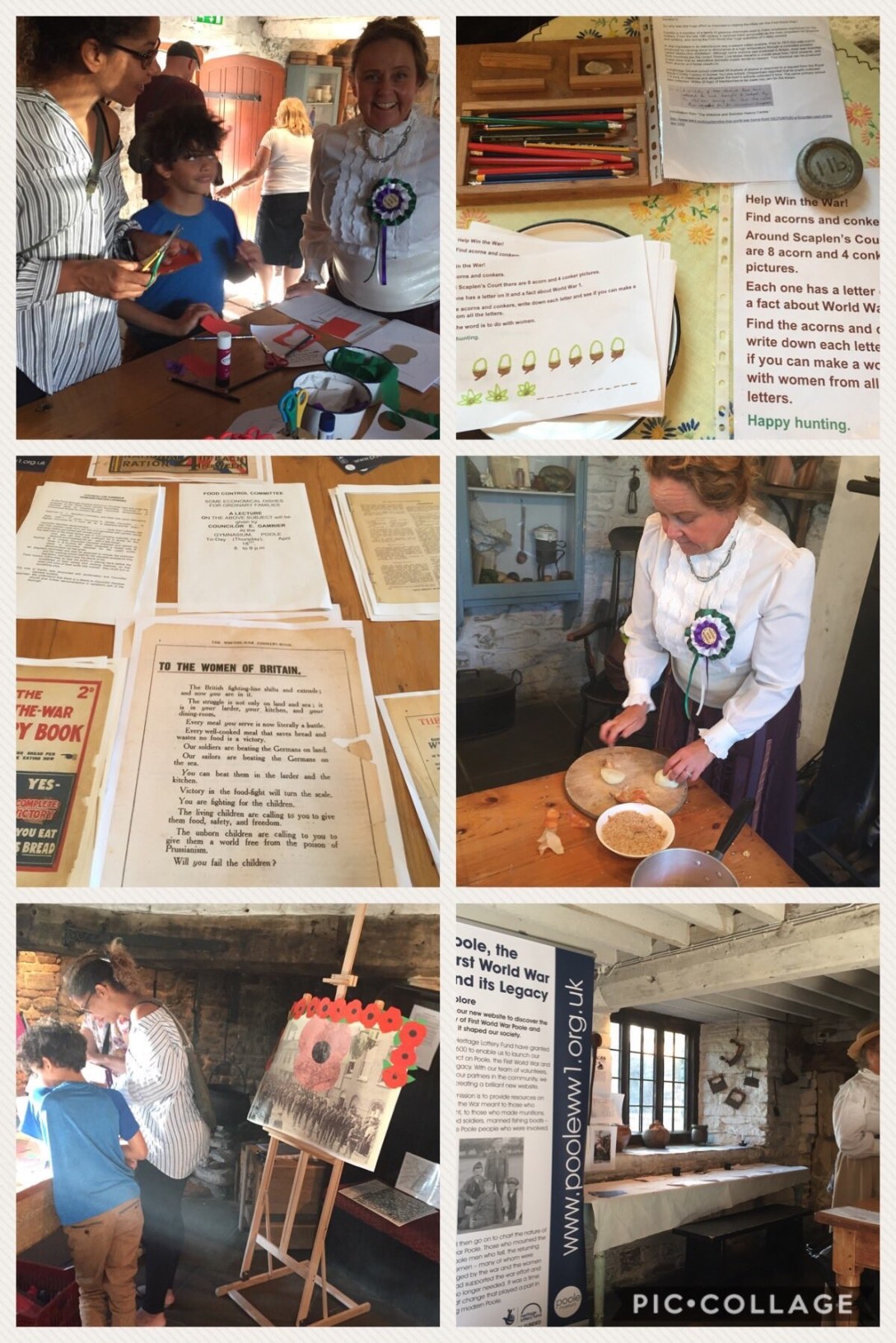
Poole, the First World War and its Legacy : Poole Museum

West Sussex County Council: Great War West Sussex 1914-18

Norfolk Library and Information Services Home Front Memories

Cumbria Story of the First World War 1914-1918

Blogs

Essex Record Office Blog

Bradford Local Studies Blog and Website

The Secret Library Leeds blog

Apps

Hidden Newcastle

Buxton Museum Apps – evaluation

Lacock Unlocked App

Mayflower Project

Caistor Roman Town

Vale Tales

Oral history

see oral history pages of the toolkit

More ideas

See the case studies section of the LSG Blog.

Got something to add?

Do you have any comments, suggestions or updates for this page? Add a comment below or contact us. This toolkit is only as good as you make it.

Return to Toolkit homepage

Toolkit: Continual Professional Development

Return to Toolkit homepage

The training of all staff is essential so that they expand their knowledge and keep up to date with the latest developments in the field.

General training:

  • Customer care skills are essential.
  • Data protection, health and safety and cyber security are essential and normally part of all Local Authority roles.
  • Senior local studies staff should receive training in management techniques, also organizational and promotional skills.

Many of these courses will be provided by your own authority. Other training providers include:

Specialist training:

Providers include:

Current awareness (aka… why re-invent the wheel when you can adapt what has worked elsewhere!)

Networking:

It is important to build relationships with a wide circle of fellow professionals, so you can identify potential areas of joint working and refer enquiries to useful services. Local Studies staff also need an understanding and awareness of other heritage professionals’ practices, especially as the divisions between fellow heritage professionals are narrowing.

For more information on networking, please read the toolkit section on Relationships with fellow heritage, library and local government professionals,

A little of what you fancy…..

You should also make time to pursue your professional interests and what captures your imagination, even if it is not initially clear how this would link in with your current role.

Formal learning is not normally the answer….. the question is, what would make you develop? Reading blogs, visiting other collections incognito, having a coffee with someone who you respect and talking over each other’s projects, or just sitting down and reviewing what you have done recently and how you could have made it better.

Making time:

Care should be taken to allocate sufficient time for training purposes, especially as training is one of the first things that slips off the end of a to-do list. A useful way to ensure that you do this is to take part in CILIP’s professional registration process. Applying for Associate and Chartered Membership of CILIP is an excellent way to ensure that you and your employers give enough time for you to develop. Once Chartered, you can revalidate each year – a process which is not as painful as it sounds.

Career progression

Many local authorities support library assistants to take a postgraduate qualification in librarianship, giving local studies assistants the qualification to move into a professional role.

Local Studies Librarians tend to stay in roles for long periods of time and their role is often reviewed once they leave their post. Ambitious local studies librarians can apply for management positions within library and heritage services.

Further reading

Diana Dixon, ‘Just One World – or is it? Information Skills for the small Museum’. A description of local studies librarians’ skills and how they transfer to the museum world and training, Local Studies Librarian Vol 28 No 2 p 10-14       

Got something to add?

Do you have any comments, suggestions or updates for this page? Add a comment below or contact us. This toolkit is only as good as you make it.

Return to Toolkit homepage

Toolkit: Community Archives

Return to Toolkit homepage

What is a Community Archive?

Community Archives started to grow in the early 2000s and are now a popular form for local communities, local history groups and projects tending to collate and make available information, collections and resources, normally online; creating an archive of material that has often not been deposited with a Local Studies Library or Archive Centre. These archives sometimes become a halfway house, attracting copies of material from individuals, families and local groups who are not yet ready to deposit or donate them to a Local Studies Library or Archive Centre.

The national portal that links to many community archives is organised by the Community Archives and Heritage Group. The Group’s website is also the best source of information on community archives.

There are different types of community archive:

Information is generally collected through some form of crowd sourcing, and is either collated centrally or uploaded and made accessible digitally by the donor.

There are also physical archives where a Local History Group or community of interest have collected original records, books, photographs and photocopies of material held together in one location that have not been digitised.

Community involvement is key to any community archive and the widest engagement should be encouraged, though inevitably such a project will be driven by a small number of enthusiastic volunteers or local champions collecting, scanning and uploading material.

The role Local studies librarians can play in community archives

Source of information

Local Studies Collections hold a wealth of information that would be of interest to those creating and running community archives, so they are likely to become regular users of your collection and a relationship would build up in the same way as it does with other users.

Advisor

Often the idea and impetus for creating a community archive comes from within the community itself and therefore the role of the Local Studies librarian is to support and encourage; for example providing advice on collecting policies, themes, website structure, metadata, applying for funding; and, if it is a physical archive, collection care and cataloguing.

Technology Provider

The library service or archive may also wish to create a space or a portal for communities to share and upload their digital material. The advantages are that it becomes a standard format and provides consistency and editing. However, it is less required nowadays with relatively cheap websites, the availability of grant funding to local heritage projects, notably through lottery bids, the increasingly powerful search engines and an increase in the number of volunteers with technological know-how which have all have encouraged local communities to set up their own digital archive.

Community space

Libraries, especially local community branch libraries, can provide spaces for community collecting activities and events.

Local co-ordinator

Is there potential to provide some form of hub that links to all the community archives in your area or to create community forums and networks to share knowledge and information?

Long-term home

As with any group, community archives can run out of steam. If that happens material may be deposited with the Local Studies Collection.

Creating a community archive

You will find significant help on the Community Archives and Heritage Group website and Norwich Archive’s website. But some basic things to consider are:

Develop your own website and database or buy off the shelf? 

Costs of software can be important in any decision to create a community archive. Open source websites such as Joomla and WordPress are not always free as they require regular updates to guard against hacking etc., while some versions will cease to be supported. It will generally require some time from a professional developer. There are commercial packages available, sometimes developed by other community archives. These have the benefit of providing a structure that works and ongoing support.  

If the archive is a physical collection….

How is it being stored? Does it contain original or duplicate material?  is it catalogued and is the catalogue digital? How is the collection accessed?

Collecting

It is important to develop a collecting policy. What materials are you requesting e.g. photographs, ephemera, letters, extracts from diaries, oral histories? Are you asking people to supply text and written histories?  Are you collecting around specific subject areas? Are there any cut-off dates or other constraints?

How are you going to collect material? 

Are you requiring members of the public to upload material and information? Or will you organise a group of volunteers or champions who know the community and are trusted by them. How will you publicise this?

Copyright, reproduction rights, data protection and future use 

Does the contributor hold the rights to reproduce the item? Does it include personal data that may not be shared? If it can be shared there is a requirement to be clear with contributors how their material will be accessed and used and for them to agree terms and conditions when uploading or sharing material or information. This can be a delicate balance when you are trying to encourage people to share.

Metadata/cataloguing

The usual rules should apply in terms of ensuring metadata is recorded and there are standard fields and consistency. Considerations should also be given to the use a subject thesaurus and a standard gazetteer of place names. If the community is retaining a hardcopy archive it also worth exploring if the amount of material involved requires the implementation of a catalogue as opposed to a simple list of items.

Formats and digital preservation 

It is important to agree file types and sizes. For example, if you are including sound clips a WAV file will be a very large high quality uncompressed file with no data loss and generally used for archiving, rather than MP3 / MP4 that tend to be compressed smaller files and better for sharing but have some data loss with poorer sound quality. If photographs and other image files are to be uploaded, what format do you want them in e.g. RAW, TIF or JPG, and will they automatically be resized for a website when uploaded or will the person supplying the image need to do this before they share it? What actions are you taking to ensure the digital files can be preserved for the future, will it be possible to archive or access formats and databases in the future? Are copies of the text and image files kept separately for deployment in the future?

Long term funding

If you receive project funding it is also worth considering how you will maintain funding and maintenance of a website and a database once the project and grant funding is finished.

Ethics of editing

If contributors are providing text such as a history of a place or buildings, a biography or family history, you will need to decide how much editing you will undertake and who is undertaking the moderating. Often, like oral history, they include people’s memories that may differ from the previous known facts.  It is useful to create an editorial policy i.e. are you simply correcting spelling, standardising place names, correcting known errors in dates etc.

Overcoming the challenge of collecting material for the archive

Crowd sourcing of community archives can be rewarding, providing a good range of material and a great way to include a wider audience.  However, there have been examples of projects where it has been difficult to encourage people to take the time to engage with a project and upload material or memories. There are several ways to overcome some of the barriers to collecting:

  • It has sometimes required the Local Studies Librarian or a paid project officer to work out in the field building contacts and confidence, collecting and collating information from the community. This tends to increase community engagement.
  • Training and support for community champions who take on the role of advocacy for the community archive is needed; they will help collect, collate and upload material. Often community archives are generated and led by a Local History Group and this will sometimes provide a foundation and enthusiastic volunteers for community engagement.
  • It is important to find ways to overcome issues such as digital exclusion.  Confidence to use IT or being able to afford IT kit in the home can be a barrier for some people to share their photos and memories. Again, it is worth considering a paid officer or community champions to assist, or perhaps provide access and support in local libraries.
  • Another way to encourage sharing is through community activities, such as show and tell sessions, where people are encouraged to bring material along and talk about them.  

Further Reading

Got something to add?

Do you have any comments, suggestions or updates for this page? Add a comment below or contact us. This toolkit is only as good as you make it.

Return to Toolkit homepage

Theme image reproduced from the “Our Warwickshire” website under Creative Commons Licence CC BY NC 

Toolkit: Measuring impact

Return to Toolkit homepage

It’s easy to claim that local studies libraries are contributing to broad service priorities, such as increasing the visitor economy. However, making a claim that can’t be backed up by strong evidence runs the risk of undermining the credibility of the service with decision-makers within the authority.

Although activities often have some sort of evaluation or feedback, this may not always be designed in such a way as to collect evidence that can be used to demonstrate how this has helped the local studies service to contribute to strategic priorities.

It is often easier to measure outputs rather than outcomes, which is why outputs are often used as evidence. The drawback with this approach is that outputs don’t demonstrate impact and don’t necessarily resonate with stakeholders.

Outputs are defined as what was produced or delivered (e.g. the number of family history courses run) whilst outcomes are the differences made and the benefits that customers receive as a result of the outputs (e.g. a person using the knowledge they gained on the course to find lost family and feel a sense of identity that they hadn’t felt before). Whilst outputs are the “what”, outcomes are the “why.”

Outcomes may best be measured through stories rather than statistics, so it can be useful to try to capture stories from participants in any activity.

The Inspiring Learning for All (ILFA) framework was launched by the Museums, Libraries & Archives Council (MLA) in 2008 as a way for museums, libraries and archives to develop their learning offer. 

The framework transferred with other MLA functions to the Arts Council in 2011 and was refreshed in 2014. 

The ILFA framework includes the use of Generic Learning Outcomes (GLOs) and Generic Social Outcomes (GSOs) to provide evidence of the benefits people gain by interacting with arts and cultural organisations. 

The Arts Council website give useful tips for capturing impact as well as other resources and templates relating to the GLOs and GSOs.

Got something to add?

Do you have any comments, suggestions or updates for this page? Add a comment below or contact us. This toolkit is only as good as you make it.

Return to Toolkit homepage