Not ticking the box – Local Studies and meaningful impact. An online presentation by Tracey Williams

Local Studies Group are proud to publish this talk based on Tracey’s section on Linking with local authority priorities in Local Studies Toolkit. A must watch for all librarians, archivists and other heritage professionals.

What did you think? Let us know by leaving a comment.

Still time to book: Heritage & the community – top tips from the CILIP Local Studies Toolkit – Free online session, 20 November, 2pm

Heritage resources can make a difference to individuals: the young couple in their first house who visited because they had chopped down some trees which were inside their fence only to find that their neighbour claimed the land and the trees; the schoolteacher who said that her students’ A level results had improved as a result of class visits to the local studies library; the family who were helped to find essential evidence about a local company and were able to obtain compensation for the loss of a loved one.

Heritage projects have the power to engage people from widely different backgrounds and generations. Interesting and creative projects have the power to motivate individuals to overcome barriers to learning, to experience digital technologies, to build new social networks (combatting isolation, depression and related health issues) and to rekindle an in interest in life through informal learning opportunities.

Heritage people working creatively, and in partnership with a wide range of educational providers, facilitators and artists, and others, can ensure that opportunities exist to engage different levels of ability and ranges of interest.

But how do you do this? Some of the finest and most experienced local studies librarians have come together to form a free online resource, The Local Studies Toolkit, that can help guide heritage people to the right answer for them.

In this session, we will explore the toolkit and hear some top tips from those who wrote some of its sections.

Speakers include:

  • Terry Bracher, Heritage Services Manager, Wiltshire & Swindon History Centre
  • Tracey Williams, Heritage & Local Studies Librarian, Solihull (Recorded)
  • Tony Pilmer, Librarian & Archivist, Royal Aeronautical Society & formerly Local Studies Librarian, Slough (Chair)
  • José Luiz Pederzoli Jr., Unit Manager – Strategic Planning, ICCROM (Recorded)

This event is organised by the CILIP Local Studies Group & The Historic Society of Lancashire & Cheshire

Heritage & the community – top tips from the CILIP Local Studies Toolkit – Free online session, 20 November, 2pm

Heritage resources can make a difference to individuals: the young couple in their first house who visited because they had chopped down some trees which were inside their fence only to find that their neighbour claimed the land and the trees; the schoolteacher who said that her students’ A level results had improved as a result of class visits to the local studies library; the family who were helped to find essential evidence about a local company and were able to obtain compensation for the loss of a loved one.

Heritage projects have the power to engage people from widely different backgrounds and generations. Interesting and creative projects have the power to motivate individuals to overcome barriers to learning, to experience digital technologies, to build new social networks (combatting isolation, depression and related health issues) and to rekindle an in interest in life through informal learning opportunities.

Heritage people working creatively, and in partnership with a wide range of educational providers, facilitators and artists, and others, can ensure that opportunities exist to engage different levels of ability and ranges of interest.

But how do you do this? Some of the finest and most experienced local studies librarians have come together to form a free online resource, The Local Studies Toolkit, that can help guide heritage people to the right answer for them.

In this session, we will explore the toolkit and hear some top tips from those who wrote some of its sections.

Speakers include:

  • Terry Bracher, Heritage Services Manager, Wiltshire & Swindon History Centre
  • Tracey Williams, Heritage & Local Studies Librarian, Solihull (Recorded)
  • Tony Pilmer, Librarian & Archivist, Royal Aeronautical Society & formerly Local Studies Librarian, Slough (Chair)
  • José Luiz Pederzoli Jr., Unit Manager – Strategic Planning, ICCROM (Recorded)

This event is organised by the CILIP Local Studies Group & The Historic Society of Lancashire & Cheshire

Toolkit: Ephemera

Return to Toolkit homepage

the minor transient documents of everyday life

Maurice Rickards, founder of the Ephemera Society.

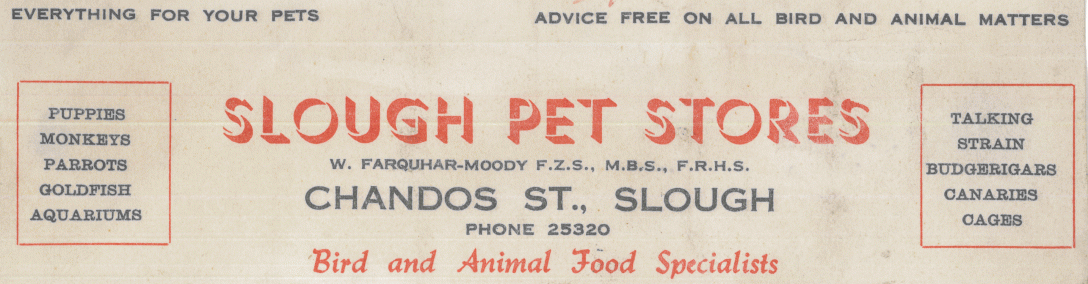
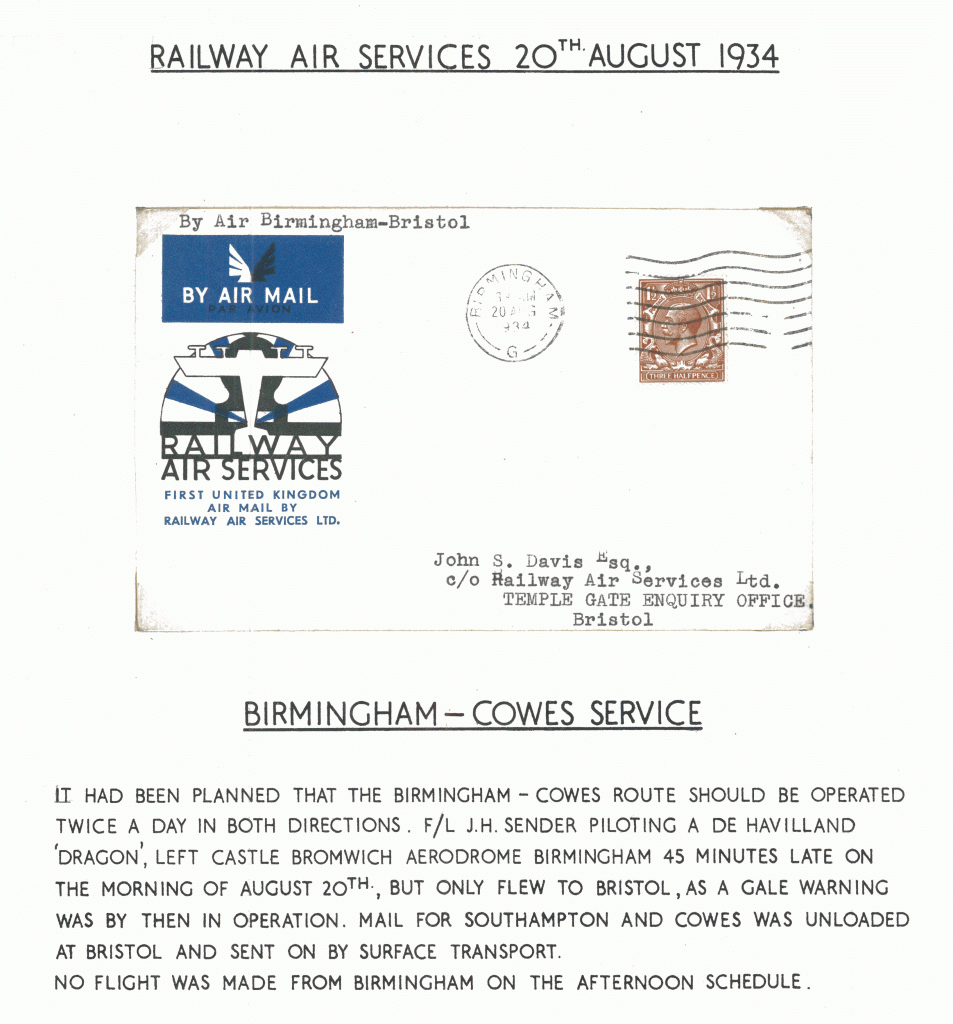
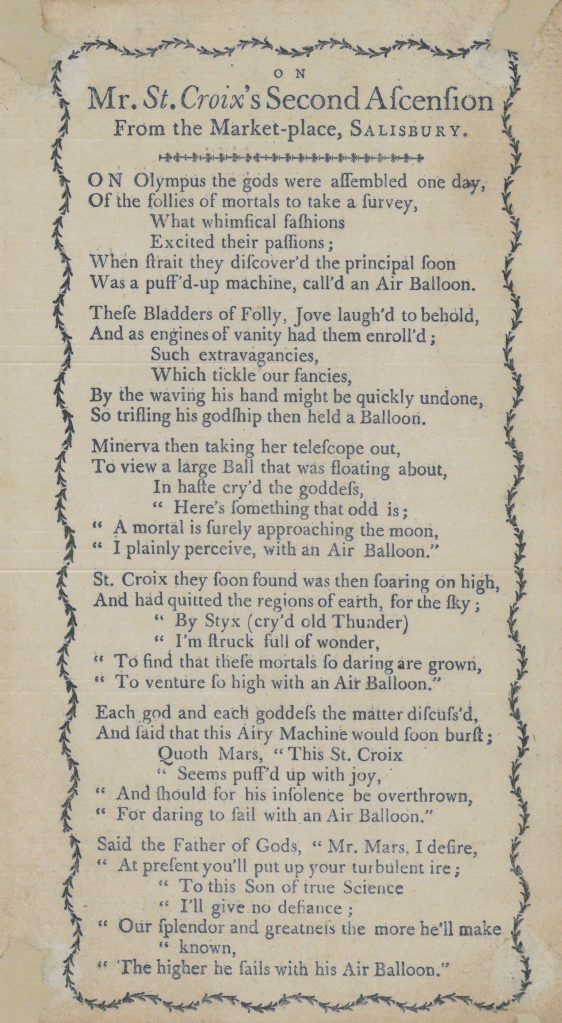
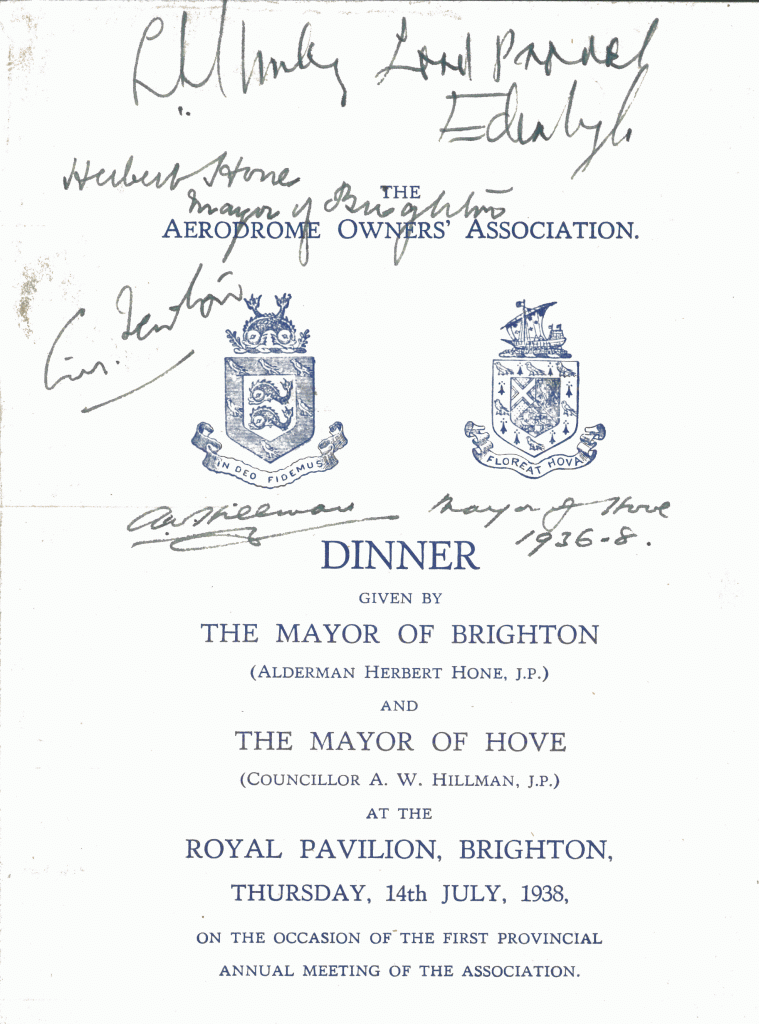
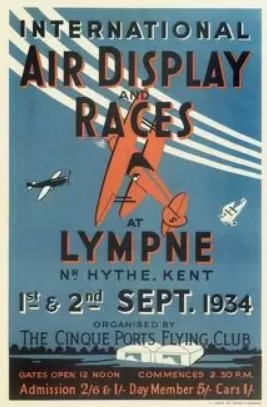
Ephemera can give a real insight into what everyday life was like within a given period often in a very visual way, so it is useful both to the serious researcher and those with no particular interest in a subject but are attracted to it by its design and then want to find out more about the subject or period of time. It can add to what is known about a subject or be the only record that an event has taken place, and therefore be invaluable.

What is ephemera?

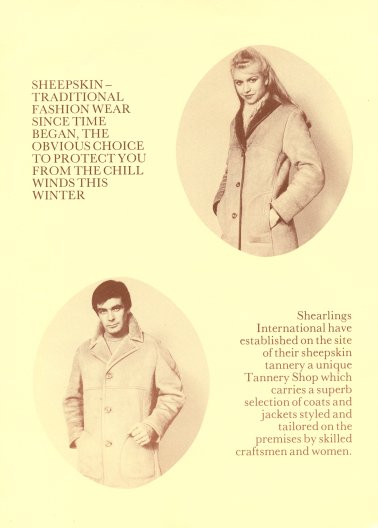
Ephemera is a term usually used to describe single paper items, produced for example to promote a one-time only event or created for a limited time period, with the eventual intention of  being thrown away once the time period has passed. In most collections, ephemera dates from the nineteenth century onward, although earlier examples can be found particularly in special collections.

There are many different types of ephemera but they usually fall within three main categories:

  • Items produced for a practical purpose, for example; bus or rail timetables, tickets, theatre or musical programmes;
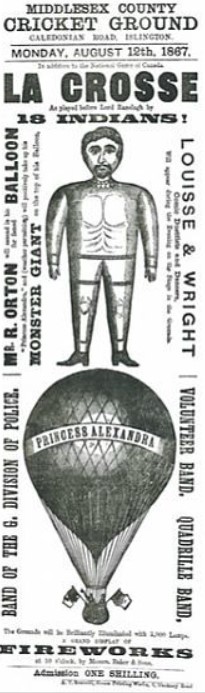
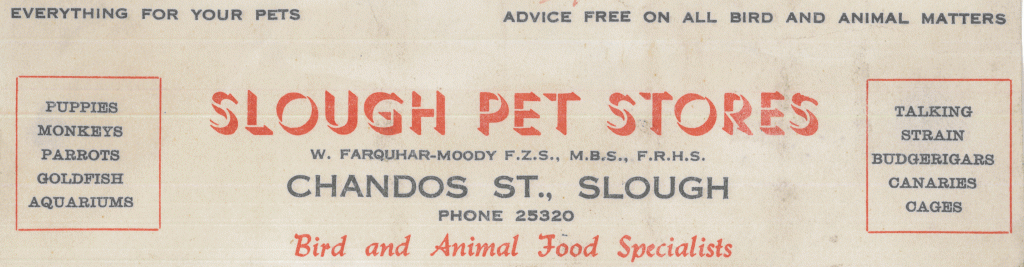
  • Promotional material, for example; business flyers, posters for specific events and postcards
  • Miscellaneous material, for example; greetings cards or special editions of newspapers etc.

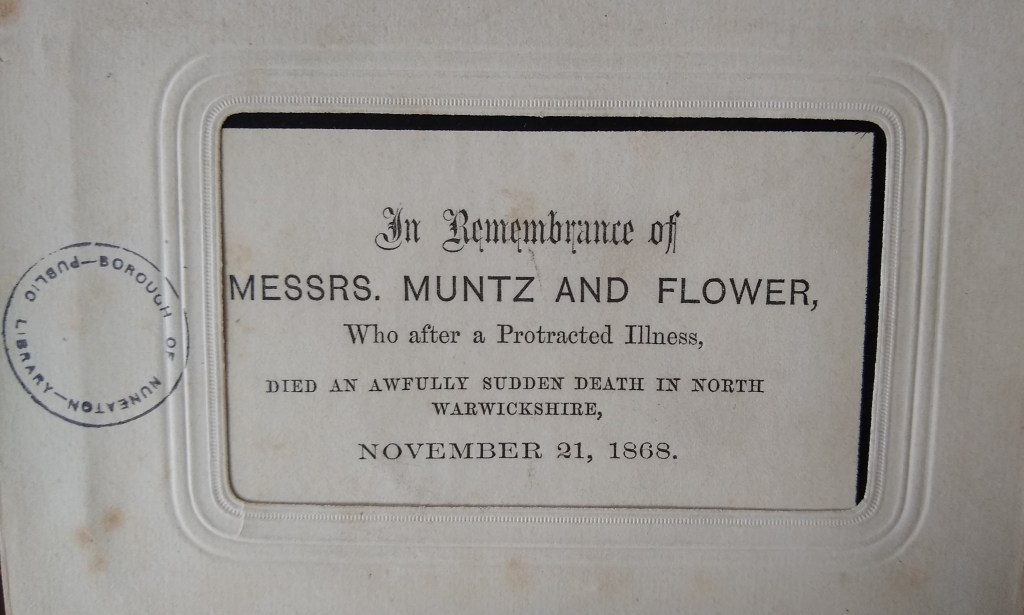
Political and religious ephemera can also be found in collections along with rarer items including mourning cards, advertisements for estate sales, posters of executions, beer mats and bookmarks.

As it was produced to be thrown away, the paper chosen for ephemera is often of poor quality and over time becomes quite fragile.  Designs can vary from only basic text to the highly decorative with beautiful illustrations.

Ephemera gives us a flavour of the cultural and social past, in an authentic way. It may be the only tangible evidence that an event took place or that a business existed. In addition to traditional users of local history collections and people with a special interest, ephemera may also be useful to those with interest in the arts, including students of graphic design and fashion.

Despite being an invaluable resource, we also need to be aware of its potential issues. For example, in a poster advertising a play, the year may be missing, the same printing blocks or design may have been used for multiple annual events or the content may be biased towards a specific point of view.

Collecting ephemera today

Because its purpose is short lived, ephemera is often discarded before a librarian or archivist knows about it. For example, current flyers pushed through the door may end up straight in the recycling bin in many households and older items found clearing a house after a bereavement may be discarded as being out of date or just “rubbish”.

In addition to the more usual pieces of ephemera, an awareness of local fringe organisations, even extreme political groups and campaigning groups that may produce literature, reflecting an aspect of the community often unrepresented elsewhere should not be forgotten. This is where new subjects such as the history of LGBTQ people often first appears in documents. The library can sometimes go on mailing lists for this kind of material. Cataloguing these items can be complicated, including finding a terminology that the groups themselves favour, but this barrier should be overcome.

Talking to colleagues, customers and the community about the value of ephemera items should be done at every opportunity so it can be saved for future generations to enjoy and use.

Organising and cataloguing ephemera

Ephemera is often one or two pages long and is usually filed with other material of interest on the same subject within subject files in filing cabinets. Alternative ways of organising material include using Dewey Classification numbers or an in-house designed classification system. In some libraries, booklets and pamphlets that don’t fall into the periodical category may also be referred to as ephemera and are filed in subject files whilst other libraries may have a separate section for pamphlets and booklets, or file them within the main sequence of books. (The disadvantage of this is that they can easily be damaged or lost) so be aware that the standard definition may be expanded. In some cases, for example, postcards, the precedent may be that they are filed with photographs and illustrations.

You may also find that some larger ephemera for example, posters or estate sale particulars are stored in vertical map tanks or on a horizontal shelf so it is always worth bearing this in mind when accessioning items to give clear references to enable their quick location for staff.

As always, it’s useful to follow the precedent of the collection but bear the conservation requirements of the item and the customer in mind when deciding where to place it and how to catalogue it.

In public library collections, particularly those over 100 years old you may find that a card index is still the traditional way of accessing most of the ephemera held. However, many libraries have stopped using card indexes and have started adding material to online databases or catalogues. If this is the case then ideally, accessioning older items retrospectively to replace the card index would be recommended but this may be a long-term aspiration and only possible with the help of volunteers. Adding ephemera to online databases or the library catalogue improves the visibility of the items especially if good key word indexing is adopted, to ensure the items are available to all who may be interested in the content, period of production or design. Though it is always best to catalogue each item of ephemera, time restraints may make this difficult for larger collections in which case it would be worth considering cataloguing groups of items, for example, as has been done with this collection of menus.

Preservation of ephemera

As a piece of ephemera is often a single piece of paper, it can also be easily lost, misfiled or stolen and so extra care needs to be given when working with it or giving it to a customer to view. In the latter situation, if in a closed building, such as an archive, where the weighing in and out of documents is usual practice and items belonging to a customer, for example, coats and bags, are locked away this may not be so much of an issue. However, for public libraries some system does need to be in place to ensure that items within a folder are recorded. A simple signing in and out sheet might be adequate; where items are counted out in front of a customer and then counted back in on return.

As previously mentioned, the quality of the paper used to produce ephemera is often poor and so many pieces are quite fragile and may need specialist conservation. Handling such items can damage it further and so in these cases the use of cotton gloves isn’t recommended as you aren’t able to feel the paper you may inadvertently tear or damage the item further.

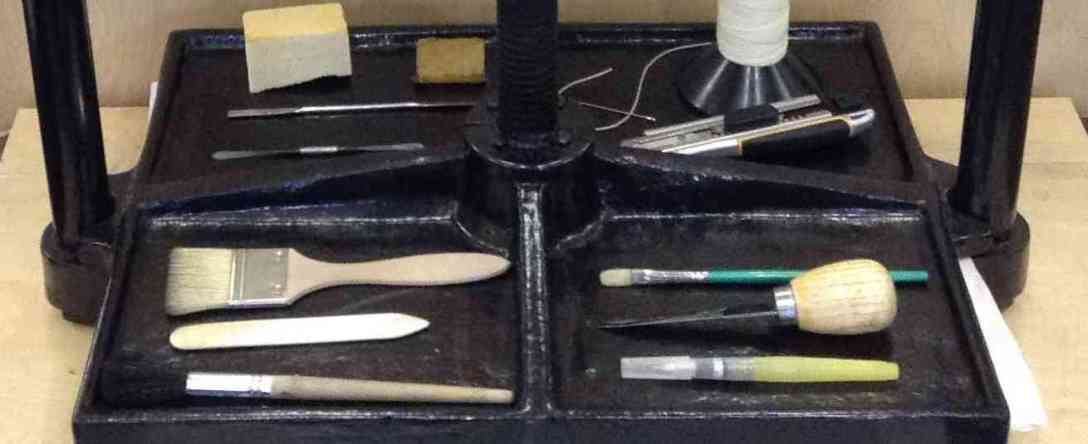
Much can be done to preserve these items even if the budget is tight; including, making sure that they are in individual acid-free pockets (for example, Melinex archival polyester) and if necessary, supported with conservation grade mount board (for example, Microchamber). These can then be placed in a boxboard pamphlet or archive box.

If items are stored vertically within a drawer then they should have “breathing space” so they are not tightly constrained. If something is particularly fragile then the item may be placed in a separate box within the sequence or in a separate sequence. (Amend the existing index card or online entry to show the new location)

For fragile, useful, commercially valuable or popular items (if copyright allows) a digital copy can also be made and kept alongside the original. Usually the surrogate copy is adequate for most customers. If the digital image is safely named and stored it can be used if a copy is later required for a customer, for use on a wall mounted display or if you decide to digitise the collection in the future.

In certain circumstances you may have a group of similar items, for example, a series of play bills that you feel would be best preserved together. A special conservation grade album or box with pockets to insert the individual items might be the best way to do this. This enables them to be seen more easily as a collection, but also gives them a greater level of protection from general handling.

If you are working within an organisation with a separate archive facility, it may be possible for them to advise you on how best to store the item or make a box or album for you. Similarly, a conservation resources supplier can provide readymade resources, or a bespoke box.

Some specialist collections have pull out drawer units offering the ability to lay related pieces of ephemera together to offer an instant display of material on a given subject. This would be the ideal way to store ephemera and is an aspiration for many with such collections.

The Ephemera Society http://www.ephemera-society.org.uk/ promotes the conservation and preservation of ephemera and they maintain a useful website.

Collections of ephemera

Most library collections will have some ephemera, and this will usually be incorporated into the main local studies collection. However, special collections of ephemera exist in libraries all over the country. Examples include:

Many local historians and other individuals also collect ephemera so it is useful to find out who may have a collection in your community as they may be able to help you with your enquiries, lend material for exhibitions or talk about their collections as part of your library events programme.  

Further reading

Got something to add?

Do you have any comments, suggestions or updates for this page? Add a comment below or contact us. This toolkit is only as good as you make it.

Return to Toolkit homepage
Local Studies Toolkit…. watch this space

Need some advice or top tips on all things local studies? Over the last two years a band of local studies librarians and associated hangers-on have been working away to produce the Local Studies Toolkit.

The aim of these pages is to produce a freely accessible online guide that will help and inspire local studies professionals and para-professionals to provide an excellent local studies service within their authority. 

Over the next week or two we will releasing the first versions of different sections of the guidance as blog posts. More will then follow in the coming months.

As of this moment, the only page published is a very boring introduction, but you can see the project unfold by following us on Twitter and Facebook, or just keeping an eye on our Toolkit homepage.

The toolkit will be a collection working documents for the entire community, so we need your help. If you have any questions, comments, suggestions, examples of best practice that you wish to share or, even better, completely disagree with points in this guide, please let us know. Put a comment at the foot of the appropriate page or send us a comment. This guide will only be as good as the contributions you make.

Newspapers as an Historical Resource – LSG event overview

A few weeks ago I attended a half-day event at CILIP HQ on the use of newspapers for historical research. The event, organised by CILIP Local Studies Group, featured two very interesting talks by Edmund King, former head of the British Library‘s newspaper library, plus a personal account by Diana Dixon of the way local newspapers have enabled her to piece together previously untold stories from her family history.

Most of the day focused specifically on digitised newspaper databases, and in particular the British Newspaper Archive which Edmund King oversaw the creation of at the British Library. Like Diana Dixon I had used the BNA for my own family history research and at the local studies library where I work, but had not previously appreciated the full range of international newspaper databases which can now be searched online. Some of these databases mentioned by Edmund King in the first of his talks included:

  • Chronicling America – Historic American newspapers from 1836-1922, sponsored jointly by the National Endowment for the Humanities and Library of Congress (free)
  • Gale News Vault – A broad selection of international newspapers and periodicals (paywall)
  • Google News Archive – Google’s discontinued newspaper scanning project, whose content is still available to search (free)
  • Ireland Old News – Transcriptions of old Irish news articles (free)
  • Newspapers.com – Database of 3,400 newspapers, mainly American (paywall)
  • Trove – The National Library of Australia’s digitised newspaper collection (free)
  • Welsh Newspapers Online – Welsh and English-language newspapers from 1804-1919, digitised by the National Library of Wales (free)

Several of the above can be cross-searched via Elephind.com, which is attempting to create a single-search interface for all the world’s online historic newspapers (they have quite a long way to go admittedly, but a noble aim nonetheless). As local studies specialists we might question how useful international databases like these are to our daily work, which tends on the whole to focus on local people and events. The truth of course is that historically these ‘local people’ often moved around considerably, especially within the Empire, and events on one side of the world would often be reported on the other due to the complex web of family and business connections which linked people across the globe. Indeed, comparing the regional and international reportage of local events can often provide unique insights into these events which local sources alone could not.

Next Diana Dixon provided a very useful overview of some of the ways local newspapers can be used by family historians. In the past I had used reports of local births, marriages and deaths as an alternative to ordering GRO certificates, but had not thought to examine the long lists of wedding guests and mourners frequently included in these same reports to put together a detailed picture of an individual’s extended family and social circle.

After tea and coffee Edmund King’s second talk focused on some of the more unusual items which can be found in the British Newspaper Archive. We would naturally expect to find reports of local events, births, marriages and deaths etc., but many of the ‘lighter’ pieces can be equally revealing. These include poetry, cartoons, celebrity portraits, ladies’ fashions, maps, literary reviews, serialised novels and items of musical interest, which can all help flesh out the world in which our ancestors lived.

All of the above were all illustrated with examples, and one of the best in my opinion was a brief mention in the Oxford Journal on the 23rd of February 1765 of a visit by:

“One Wolfgang Mozart, a German boy of about eight years old…who can play upon various Sorts of Instruments of Music, in Concert, or Solo, and can compose Music surprizingly ; so that he may be reckoned a Wonder at his Age” (p. 3, col. 1).

It is inconceivable to think this wonderful description would have been found without the BNA’s search engine, and it is worth remembering how lucky we are to have such an excellent tool at our disposal.

It was a very interesting and informative day, and a great opportunity to meet with colleagues and share experiences. If there are any historical newspapers in your library’s collections which you would like to see digitised, you can submit a request on the BNA forum.

Robert Jones, Assistant Librarian (Local Studies)
London Borough of Hillingdon
rjones1@hillingdon.gov.uk

Nominations open for Local Studies Librarian of the year

Do you know a Local Studies Librarian that has gone the extra mile? Have they pioneered an amazing project or given a career of excellent service to their community?

If you do, nominate them for the 2015 McCulla Prize, the annual Local Studies Librarian of the Year Award.

We welcome nominations from colleagues, local historians, family historians and anyone who knows a local studies professional who has made a difference.

To nominate, please complete form below.

Any questions? Please contact Alice Lock via alicelocalstudies@outlook.com

Nominations close on 30th October 2015.

Go back

Your message has been sent

Warning
Warning
Warning
Warning
Warning
Warning
Warning
Warning

Warning.

e-books & local studies

I was helping someone check about new local books and I was going through the library catalogue to see which were in stock and which needed ordering. I came across one title which wasn’t held so was just putting the details for ordering when I noticed that it was a Kindle only book. On further investigation I realized that it was a republication of a book first written 30 years ago, with a slightly different title, and since it was already in stock it was fine in this instance and we didn’t need this edition. It did make me wonder if anyone had come a situation where a useful local studies title was only available in e-book format and what did you do about it?

Lessons from a year in an historic library

In 2013 I spent the year in alien territory. After nearly ten years in local studies, I undertook a maternity cover contract at an historic library housed in a think tank-cum-learned society. So, what lessons would I bring back to the world of local studies?

  1. COPAC & ESTC. We had an excellent Associate Library Fellow who was a retired rare books cataloguer. Surprise, surprise, our rare book cataloguing was brilliant, however he also put our pre-1800 stuff onto the English Short Title Catalogue (ESTC) and were in the queue for COPAC. An important part of local studies is to help scholars, so surely our scholarly material should be listed where scholars look for them? COPAC seem to do all of the work for you and you just need to find your rare book on ESTC, log in and say that you have a copy (okay, things get more interesting if it is not on ESTC and you have to check pagination etc is the same as your copy).
  2. NADFAS. I have always worked with volunteers, but had not come across NADFAS. Not only will they do conservation and listing projects, they elect their own leader and manage themselves, taking some of the stress out of volunteer management. You do have to pay expenses. For more info see the second post on this site: http://ow.ly/xgJUE
  3. How close the world of heritage/specialist collection librarianship is to local studies. Okay, you perhaps don’t get the emphasis on community engagement, but you do have volunteers, specialist users, conservation, event management, ephemera, stockwork etc. After all, local studies is heritage librarianship with our geographical patch as our specialist subject.

And most importantly……

4. The power of shiny things. I had a lot of snazzy things in my collection and those above loved it when I brought some out for their important guests. Shouldn’t we be doing similar things for our political masters? Would Mayors like to see some pretty illustrations when they are hosting important visits from twinned towns? Would County Council Chairmen like to see a display of maps before an official dinner…. and most importantly, an enthusiastic person to talk about them. That will get us those all-important brownie points.