
Posts

Toolkit – Business Continuity planning

Return to Toolkit homepage

A Service Business Continuity plan (BCP) provides a standardised business disruption plan for all services. The plan provides key service information to support the Head of Service (or nominated deputy) in returning the service to business as usual following a disruption. Larger collections may have a stand-alone policy, while smaller collections may find their plan is part of a service-wide policy. This can sometimes be deployed together with your emergency plan and there will be some overlap. But whereas the business continuity plan enables you to maintain your service during a period of disruption; an emergency is defined as any incident which cannot be contained, or which threatens any part of the Local Studies building / space or its holdings and therefore should be kept as a separate document (see Toolkit chapter on Emergency Planning).

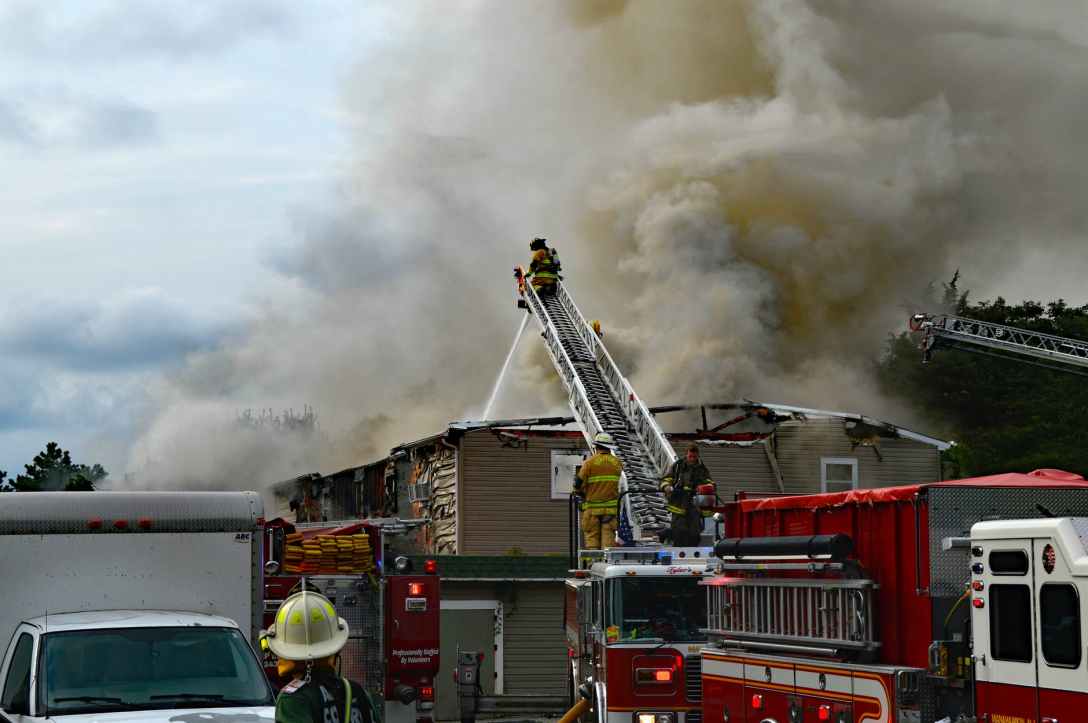
The need for BCP has never been more apparent than during the Covid-19 pandemic, where Local Studies Libraries found themselves unable to provide direct access to their unique resources, but still managed to employ creative ways to continue engaging audiences and providing essential information. Other likely scenarios include loss of power supply, loss of IT and telephony networks, and adverse weather conditions.

Definition of Business Continuity

The definition of Business Continuity is the capability of the organisation to continue the delivery of products and services at acceptable predefined levels following a disruptive incident. It is a set of documented procedures that guide services to respond, recover, resume and restore to a predefined level of operation following a disruption.

Objectives of a BCP

A plan should:

  • Establish key service information
  • Detail the activation process for the plan
  • Identify priority functions undertaken by the service and the resources and timescales associated with their recovery
  • Outline the incident management procedures and key staff
  • Show how a local studies service should coordinate its response with other library and organisational services to reduce business disruption.

Quick steps to create a BCP:

A basic BCP should contain the following elements:

  • Create a contents sheet for quick reference
  • Establish within your organisation what is the priority level of your service, this will determine how many days you can be without essential operations such as ICT, desk space etc.
  • Who is the owner/s of the plan
  • Create a distribution list to relevant staff
  • List key contacts for your service – include both internal and external suppliers, with the most important during an emergency at the top.
  • Activation – what are the steps in your organisation to activate your plan e.g. who do you need to inform, what is the escalation process. It is also worth keeping this as a separate quick reference document or card
  • Communications – what are the key ways of communicating to your customers?
  • Key functions – List the key functions of your service, prioritise them and then decide how long you can be without them
  • Staff – list the points of risk if you lose staff and what is the contingency for this
  • ICT – what are your key ICT requirements / software, e.g. library catalogue, payment devices; decide how long you can be without each piece. What are the short-term and long-term workarounds? e.g., if part or the whole of telecommunications are disrupted can you use emergency mobile phones / mobile hotspots etc; are there alternative hardcopy catalogues?
  • Facilities – what are your workplace requirements? Can your team work elsewhere? If so what office requirements do you need – list the number of computers, desks, chairs etc.; what about specialist equipment – printers, scanners, card payment machines etc.
  • Work from home – work out how many staff could work from home if needed or if this is feasible. Do they have access to all the equipment they require?
  • Transport – list any specific transport requirements.
  • Fuel – are there any staff who require priority access to fuel if there are shortages to enable them to carry out essential roles e.g. do you have a duty manager who needs to access your site on a daily or weekly basis to check buildings and ensure they are maintained?
  • Scenario planning – list different scenarios and consider creating a flow chart of what might be affected, how you will respond e.g. to extreme weather event, pandemic; loss of: ICT,  energy supply,  essential supplier or partner, key staff, workspace, fuel.
  • What is your worst case scenario
  • Reputation  – Consider the effect on your organisation’s service loss – this will help you prioritise services
  • Flow charts and diagrams – where possible think about creating charts and diagrams for responses and communications
  • Templates – create standard templates / forms for providing situation reports and incident logs so they are ready to use

What should a BCP contain?

Below is a more detailed checklist of some of the things you may wish to consider and include in your plan:

Scope: The plan should enable your Local Studies service to continue to deliver priority functions, at a minimum acceptable level of service,  throughout a business disruption, as far as is reasonably practicable.

Links:  Your BCP should link to your Corporate BCP, your service Emergency Plan, local and corporate communications plans.

Activation: Who activates your BCP? The Head of Service or nominated deputy is usually tasked with this.

Where is advice available? For example, this might include departments within your own organisation such as an emergency planning team or incident room; external support such as software providers, suppliers, other libraries; CILIP and other professional networks.

What is the impact of an interruption to your service? It is useful to quickly supply information to stakeholders on the likely impact on your service and how the reduced services might impact on others that might rely on you, such as planning officers, rights of way teams and schools.

Details of key activities, with minimum number of staff needed for each function and timescale of when services should be re-started:This would include:

  • Access to Local Studies collections
    • Place for study & tutoring
    • Meetings – formal & informal
    • Room hire
    • Volunteer projects
    • Activities & events for all ages
  • Access to computers:
  • Public access to the Internet via PCs and Wi-Fi
  • Support to get online, access digital services
  • Respond to requests for information
  • Printing & photocopying

Details of key social outcomes, with minimum number of staff needed for each function: These may include

  • Local Studies as a trusted source of information
    • Informal reassurance – place of safety
    • Community space
    • Overcoming social isolation
    • Delivering other LA and service priorities – e.g. for delivering core organisational goals such as well-being, essential information for daily lives, education

Essential information: Details of key information and how it can be accessed, including

  • What documents will you need to access e.g. Policy documents, Service/ Team plans, Emergency Plan, Risk register
  • Which partners do you rely on? Which partners rely on you? What is the regularity of contact – e.g. daily / weekly / monthly?
  • Who are your Key contacts? Within the organisation this might include key staff, ICT, HR, Facilities Management; external contacts might include suppliers, contractors and partners.

Communications: How will you notify service users of a disruption to the service?

Help on activating and using the BCP: Think about creating an activation card or flow chart.

Model procedures to respond to likely scenarios:

  • Loss of workspace
    • Do you need to provide a public service – how will you do this from alternative spaces?
    • Are there alternative locations where your service can be delivered? If so, what additional resources do you need to use this space, for example, do you need desks and chairs, computers, photocopiers, key resources?
    • Can some staff work from home?
    • What constraints are there preventing staff from working at a different location?
  • Loss of public access
    • Are there alternative collections, such as in other libraries or the county archive, that customers could use if your main collection is unavailable?
    • Can staff access collections and provide a remote enquiry service?
    • Are there any online resources e.g. photo collections, family history collections, that can be highlighted and accessed at home? If there is a pay wall are there mechanisms to provide any free access?
    • What are the alternative ways to continue to engage with local communities, e.g. social media, podcasts and videos, blogs etc.
    • Do you have volunteers, if so, can they undertake work from home or alternative venues? How will you communicate with them?
  • Loss of ICT  – computer technology and telephony.
    • What impact would a lack of access to the phone network have on your service?
    • Do you have phone lines that are essential in an emergency such as from strong rooms?
    • Do you have systems in place to maintain business without access to phones?
    • What alternative methods of communication, do you have access to, mobile phones etc
    • What systems are there in place to update messages to your website, can this be done remotely using a different network?
    • What services can you operate without access to the computer network?
    • Do you have systems in place to maintain business without access to the network?
    • What duties can staff and volunteers undertake without access to the network? If they are undertaking computerised tasks, how will you ensure that material is added to the normal systems once you regain access to them?
  • Staff shortage / skills:
    • How many / which staff are needed to complete essential functions?
    • Are you dependent on staff with specialist knowledge? Can these skills be shared / what contingency / training is in place?
    • Do you have duty managers or staff with specific skills that can enable BCP to come into force?

What needs to happen when you activate your business continuity plan?

  • Start a log of the incident and record the information on the options available, decisions on actions to take and justification of those decisions.
  • Report details of activation, additional staff and resources to your organisational leads in emergency planning etc.
  • Determine services to be provided / recovered in priority order e.g. do you need to prioritise access to physical collections, is browsing essential or can you create other ways to access material? Are online resources and access to digital a greater priority than physical access?
  • Allocate staff to priority roles and notify all service staff of the disruption, identify additional staff e.g. can staff provide Local Studies service from other libraries, answer enquiries from home or via other mechanisms? What access do they need to Local Studies material?
  • Consider whether the disruption will lead to local, regional or national media interest.
  • Contact contractors / partner organisations / your own organisation’s services and inform them that you are activating your business continuity procedures.
  • Identify gaps in critical service provision by checking with other Council services including other libraries, archives, museums etc., and partner organisations to ensure they are still able to deliver services.
  • Provide mutual aid to other service areas, as required/requested.
  • Consider messages that are required for the public e.g. opening times (if relevant) and where to send their enquiries.

Got something to add?

Do you have any comments, suggestions or updates for this page? Add a comment below or contact us. This toolkit is only as good as you make it.
Return to Toolkit homepage

Toolkit – The Local Studies Library as a space

Return to Toolkit homepage

A local studies library should be a welcoming place for all members of society, ensure good working conditions for readers and staff, provide secure access to library materials, and be able to facilitate visits, events, meetings and group work.

The physical location of areas designed to house local studies collections should always be carefully planned. When library buildings are constructed or adapted the opportunity should be taken to provide accommodation of the highest standard, professionally space planned, in consultation with local studies staff.

Public areas

Areas designated for use by members of the public should be planned with both security and user convenience in mind. Considerations include:

  • Adequate seating complete with a power supply to enable readers to plug in laptops and other devices.
  • Access to wi-fi.
  • Generous provision of large tables for consultation of maps, plans, broadsheet newspapers, newspaper volumes, and other large items.
  • Design that allows for careful supervision of readers consulting irreplaceable materials.
  • Space for specialist equipment such as computers, microform readers/scanners and printers.
  • Lighting levels that are bright enough to enable readers to take digital photographs of material whilst protecting documents from over-intense exposure, and that permit the use of microforms without eye strain.
  • A display area to promote the range of material in the collection.
  • Adequate access and user facilities for disabled people.
  • Flexible enough to allow group visits and, ideally, to enable events to be held when the library is closed.

Open access materials

If possible, a collection of local studies books and other materials should be provided on open access. This will be much appreciated by researchers, and indeed some users come into the local studies library simply for the pleasure of browsing among the materials. Unique items should never be put at risk, but duplicate copies can be purchased as funds allow. Sometimes even out-of-print items can be obtained from specialist sources, and bound photocopies of rarer material can be prepared to enable the development of an open access section. If an open-access collection is provided, appropriate shelving and storage furniture will need to be provided in the public study area, and space made available to accommodate these.

Public-access computers should also be accessible in the local studies area. Ideally, these should be used to signpost users to online local and national resources of interest to local history researchers, for example photographic collections, maps, directories, digitised newspapers and family history resources, and online indexes.

Storage areas

Secure storage must be provided and should be located close to the public study areas, but with adequate controls to prevent entry by members of the public.

Provision within the stores should include specialist shelving and furniture, such as non-standard sizes of shelving including closely-mounted shelving of appropriate length for horizontal storage of single newspaper volumes, “jumbo folio” volumes or large illustrations. A separate filing area for unbound copies of local newspapers and periodicals is desirable.

Care should be taken to acquire appropriate storage equipment for special materials such as maps, microforms, photographs, negatives, 35mm transparencies, cuttings and ephemera.

Storage should ideally conform to standards outlined in BS 4971:2017 Conservation and care of archive and library collections. Smoke detectors should be installed, and fire escape routes be planned to avoid public egress through the stores. Ideally service pipes  should not be routed through the stores, and neither should inappropriate electrical or heating appliances be located here.

Monitoring storage conditions

Equipment should be installed to monitor the correct environmental conditions, for example, Tinytag data loggers can be used to monitor the temperature and relative humidity of different areas of the space, including inside boxes. Insect traps should also be used to monitor pests.

Office accommodation

There should be adequate office accommodation for local studies staff, plus tabletop space for processing newly-received local studies materials and storage for archival and other specialist stationery. There should also be room to enable the scanning of photographs and other material, and to accommodate any volunteers.

Got something to add?

Do you have any comments, suggestions or updates for this page? Add a comment below or contact us. This toolkit is only as good as you make it.
Return to Toolkit homepage

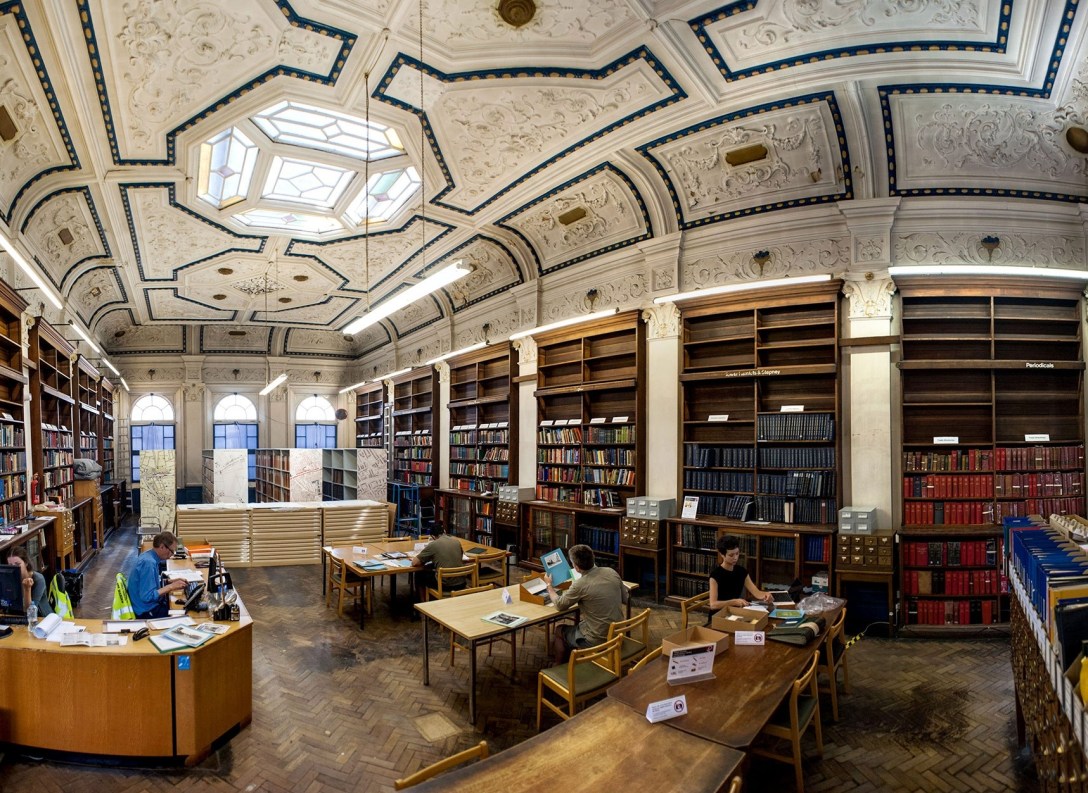
Image courtesy of Tower Hamlets Local History Library and Archives.

In a Manor of Speaking: An introduction to manors and manorial documents

Ever wanted to know more about manors and their records? Join Beth Elliott, Project Archivist for the Everyday Life in a Northumbrian Manor project, on Monday 27 June for an introduction. This online talk will look at manorial documents and the wealth of information that can be gained from them.

There will also be details about the Everyday Life in a Northumbrian Manor project. The project will work volunteers to transcribe collections of Northumbrian manorial records and make them available online.

Toolkit – Creating an Emergency Plan for local Studies collections

Return to Toolkit homepage

An emergency plan can be deployed alongside a business continuity plan and in some areas they will overlap. But whereas the business continuity plan should enable you to maintain your service during a period of disruption in a range of situations; an emergency is defined as any incident which cannot be contained, or which threatens any part of the Local Studies building / space or its holdings. Your emergency plan will most likely relate specifically to your collections and building, but it could be part of a wider organisational response, especially if the Local Studies library is housed within a building that delivers other services e.g. a central library or local government offices. But is essential that Local Studies collections and archives are recognised as requiring specific responses during an emergency.

The Emergency Plan should have the following objectives.

  • Increase staff awareness of potential hazards and the circumstances in which an emergency arising from them might occur. 
  • Procedures set out in the Plan are intended to minimise the damage to the collections, should an emergency arise. 

The Plan should be based on the essential aspects of emergency control: response, management and recovery. The two major emergencies are fire and flood. Security implications must also be taken into consideration.

The Plan should consider the firefighting equipment and emergency exits of your building.  Is your building is fitted with automatic fire detection and intruder alarm equipment?  How is the fire brigade contacted? Note that some fire brigade services no longer respond to automated calls during office hours. Do you have fire extinguishers – to suit a variety of different types of fires available in every room or area?   The safety of the staff and public is a paramount consideration.  Staff should be instructed to only fight a fire when they are certain that it can be put out straight away. (NB you should incorporate your own organisation’s guidelines within this)

Flood prevention is of equally vital importance to fire prevention.  Water is the most common source of damage to the holdings of libraries, archives and museums.  Most water damage occurs from burst pipes or the aftermath of a fire.  Unless your building is fitted with a flood alarm, flooding is much more difficult to detect than fire, and could wreak havoc for hours or even days without detection.

Priority Recovery Plans for Local Studies Services and collections should be drawn up that prioritise material for recovery. Ideally copies should be supplied to the fire brigade, any conservation services you may use, senior managers and duty managers.

Consider subscriptions to specialist salvage and conservation companies, including out of hours emergency cover and bulk freeze drying.

Quick steps for creating an emergency plan

Divide your plan into two parts: 1) Immediate Action and 2) Prevention

Immediate Action:

  • Emergency facilities – note the locations of emergency systems – main utility controls (e.g. water mains stop tap, electricity and gas shut off), fire suppression systems (extinguishers, blankets, hoses etc.), keys, first aid kits.
  • Emergency contacts – do you subscribe to a recovery service for damaged collections? Add other important contacts such as alarm companies, cleaners, your organisation’s emergency planning and facilities teams etc.
  • Salvage priorities – establish which parts of your collection / building are most important to salvage if everything cannot be saved.
  • Immediate action procedurescreate flow charts or action plans for specific threats: Fire and flood; theft; loss of power, ICT or water supply.
  • Major incidents – what is the worst-case scenario, how would you need to deal with this?
  • Create a salvage plan – management and procedures, contacts / subscriptions for salvage specialist organisations.
  • Create templates for incident logs and situation reports – this will save time when you are dealing with a live situation.
  • Where is your emergency plan kept? Is it accessible if you cannot get into your building or log in to your computer?

Prevention:

  • Security – what systems do you have in place and are they adequate?
  • Flood – are any water pipes and radiators close to your collections, do you know how to turn off the water supply; do you have mops, towels, buckets, and plastic covering readily available?
  • Fire – are smoke detectors and fire alarms tested regularly, do you have suppression systems, know the location of extinguishers and which ones to deploy? Avoid the accumulation of rubbish, cardboard, dust etc.
  • Storage – consider how material is kept e.g. sufficiently above floor surface to avoid flood damage, in archive boxes and cabinets that can act as barriers to water and fire damage; is the room / building environment (temperatures / humidity) sufficient to avoid gradual damage to material?
  • Salvage – do you subscribe to a salvage service? If not, what plans to salvage material damaged by fire and flood do you have?
  • Staff training should be considered for an awareness of the emergency plan such as utility supply points, fire evacuation procedures and extinguisher points, flood and water damage, basic salvage techniques, security, and vigilance.

Below are more details on how to create an emergency plan:

Scales of Emergency

It is useful to consider different scales of incidents that will help you decide what the appropriate action is.  For example, the Wiltshire and Swindon History Centre uses the following grades:

Grade 1 An incident that can be dealt with from the service’s resources. Amount of damaged material: Archives: 1 – 20 boxes or Library Service: One bay of books, one drawer of photographs and one microform cabinet.

Grade 2 An incident that can be dealt with from each service’s resources, with assistance from wider organisation. Amount of damaged material: Archives: 20 – 100 boxes or Library Service:  Two bays of books, two to four drawers of photographs and two microform cabinets.

Grade 3   An incident that cannot be handled by your organisation and outside assistance from external conservators and agencies is required.  Amount of damaged material: Archives: 100 + boxes or Library Service:  Three bays of books, two photograph cabinets and three microform cabinets.

What to include in your emergency plan:

Emergency telephone numbers –

  • Emergency services  – Police, Fire Brigade, Ambulance
  • Fire and intruder alarm contacts
  • Facilities Management Team for your organisation
  • Out of hours security / emergency contacts
  • Utility companies – water, gas and electricity
  • Emergency conservation recovery contracts – e.g. bulk freezing, specialist book, archive and museum conservators
  • Salvage contacts
  • Internal –  Emergency planning team; Business Continuity Team, Communications, Insurance, Transport.

Location of Emergency Plan copies – who has copies of your plan and where are they held. NB some copies should be held outside of your building. Managers should have easy access.

Emergency Procedures: what are your procedures if an incident occurs? Do you have flow charts or easy to follow steps? The following might be included:

Action in the event of theft or vandalism

  • Contact police / crime number
  • Collect witness statements / CCTV footage
  • Appoint a recovery coordinator
  • Contact organisation’s insurance team

Action in the event of a fire

  • Appoint a fire marshal(s) and staff responsible for evacuating Local Studies area and create an evacuation plan. These should be your normal fire procedures.
  • Do you have a priority recovery plan?
  • Have fire grab-packs near fire exits that include your emergency and business continuity plans, building plans – including fire refuges and identifying higher risk collections / priority recovery plan.
  • See salvage below for water or fire damaged items

Action in the event of a major flood.

  • Do you have access to equipment to alleviate flooding e.g. mops, buckets, sandbags etc.
  • Do you know where to hire water pumps?
  • Hold a store of polythene sheeting for carrying or covering potentially vulnerable items
  • A plan to remove vulnerable items (see also salvage)
  • What alternative storage can you access?

Action in the event of loss of power, ICT or water supply

  • Refer to Business Continuity Plan
  • Do you have torches / mobile phones etc. and where are they located?
  • Have an evacuation plan for staff and customers from dark areas such as repositories, lifts etc.
  • Can a member of staff access the website remotely to update customer information?
  • Power failure – it is a good idea for staff to turn off all electrical equipment at sockets.
  • Water supply – it is a good idea for staff to turn off all taps and stop cocks and be prepared to enact flooding emergency plan when water supply returns.

Major incidents: It is worth including in a flow chart actions you would undertake for major incidents, this might include:

  • The primary duty of the Directing Officer in this phase is to make the premises secure
  • Have a priority recovery plan
  • Can the building / Local Studies collection be secured – how will you do this?
  • Key contacts such as your organisation’s emergency planning, health & safety team and insurance teams; services for salvage and securing the building.
  • Reference your business continuity plan – especially regarding alternative accommodation.
  • Media protocols

Salvage management

One the disaster is over, the process of limiting the damage from the incident begins. There are a number of things to consider when drafting the salvage section of your emergency plan:

  • Salvage generally cannot begin until loss adjusters have assessed the site/damage.
  • The Directing Officer must acquire secure premises in which damaged material can be sorted for transfer to the appropriate specialists for treatment. 
  • If the scale of the incident is very large rotas for salvage teams will need to be drawn up.
  • Great care must be taken when lifting wet materials and manual handling training should be provided. All staff involved with salvage must wear appropriate Personal Protective Equipment. Mould can grow very quickly in high humidity and respirators (face masks) should be worn.
  • Recovery Co-ordinator and will direct the personnel available to undertake the primary task of recovering damaged material and objects.  They should check the list of priority salvage items and will undertake these first if possible.
  • Your insurance team need to have a list of library material damaged or destroyed at the earliest opportunity. 
  • Are contracts in place for the use of a Drying Restoration Service?
  • An early call to such a service should be made to enable their staff to co-ordinate the recovery of damaged material.  These services will usually supply transport with crates within 2- 4 hours of calling and arrange for blast freezing. 24-hour emergency access is often available. They can provide the following:
    • Expert advice from a drying specialist
    • On-site assessment of water-damaged materials
    • Packaging and freezing water-damaged materials
    • Arrangements for refrigerated transport.
    • Use of purpose-designed refrigerated storage facilities.
    • Use of specialised techniques for drying water-damaged materials.
  • Staff should familiarise themselves with the layout of the building so that they can point out potential hazards, as well as the locations of fire and intruder alarm installations, fire extinguishers, water isolation valves, electricity and gas isolation switches and external doors.

Salvage procedures

  • Always photograph the item in situ of the incident, when recovered and during work on it.  Disposable/one use cameras will be kept in the Emergency Store.  The item should also be photographed after treatment as a record.  Ensure there is a good supply of emergency treatment forms.
  • Always ensure that any labels or markings are kept with the item for identification.
  • Crates must be colour coded to denote type of damaged material they contain.  Trolleys are required to transport crates.
  • Where masses of material are found stuck together, there should be no attempt to separate them.
  • If material is stuck hard, it is better frozen and then freeze-dried when it will separate more easily.
  • Do not turn archive boxes upside down to empty them.  This will result in damage to contents.
  • Any washing off of mud etc. This must only be done on the instruction of a conservator.
  • Some single leaf material may be suitable for air-drying.  It should be taken to a drying area, in crates if necessary, after being recorded.
  • Material to be frozen should be packed in plastic crates, separated by polythene bags or sheets.
  • Maps etc. too large for the crates should, where possible, be packed in layers of blotting paper and polythene between boards to be sent for freezing.
  • Material with inks and pigment affected by damp should not be covered but kept flat and taken to a conservator for advice.
  • Air-drying of material should only be carried out under the supervision of archive conservators.
  • When investigating for wet damage, keep the wet material in the box, support the base of the box when moving to a crate, and despatch for freezing.  If the box is wet but the contents are not, then re-box.

Drying different materials:

Parchment and Vellum

  • Flat sheets.  To air dry – place between sheets of release paper and blotters and dry under light pressure or lay out on release paper with a weight at each corner (with release material between weights and document).  To freeze – interleave with polythene and support between stiff card taped together.
  • Rolled material.  To air dry – unroll and treat as flat material.  To freeze – roll around tube if possible, interleaved with polythene so that the skin cannot stick to itself or the tube.
  • Skin covered books.  To air dry – close book.  Dry flat under light pressure.  To freeze – treat as other books.
  • Books with parchment pages.  If pages are wet and stuck together prepare for freeze-drying.  If slightly damp and easily separated interleave and dry flat under light pressure.

Bound Books

  • Remove carefully from shelves, taking the wettest books first, but try to remove them in order.
  • Do not open any books unnecessarily.
  • Wash off any mud or solids on the outside of the binding with handheld sprays.
  • Water damaged books printed on coated paper must be interleaved at every page.
  • The conservator should decide if the book is to be frozen or air dried and, after the details have been entered on the Emergency Treatment Form, it will be placed in the appropriate plastic crate which should carry a number.
  • Pack wet books in the crates upright.  They may either be individually packed or separated from each other and the crate by polythene sheets or bags.  Put as many books as possible in each crate so that they support one another and thereby minimize distortion.
  • When full, the crates should be removed for transport to the freezer.
  • Folio volumes etc. should be individually packed and labelled and carefully stacked flat for transport to the freezer.

Photographic Material

  • Immerse all water-damaged microforms in buckets of cold water for transport to the processing laboratory.
  • Immerse water-damaged photographs (including glass-plate negatives) in their wrappings in cold water.  Then when drying space is available, remove wrappings and wash prints or plates in cold water again.  Layout on absorbent paper, emulsion side up, for air.  Note that collodion wet plates, ambrotypes and tinotypes should never be frozen.

Prevention measures

It is always better to stop an incident from occurring in the first place, so consider:

  • Security  – minimise the possibilities of theft when the Local Studies building is open and reduce the opportunities for unauthorised entry when closed.  Do you have an intruder alarm system and high visibility CCTV?  Do you record access to non-public areas and sign keys in and out? Can volunteers, contractors be easily identified for non-authorised access? Are public space invigilated?
  • Fire – Has your building / service been appraised by fire safety inspectors and your internal health and safety teams? Ensure actions resulting from inspections are recorded. Are fire alarm tests on a regular basis? Are fire extinguishers tested/ serviced regularly? Are electrical circuits tested? Is rubbish removed regularly and are fire exits kept clear? Do you liaise with your local fire service and are they familiar with the building? Identify and clearly label priority areas for saving if all the fire cannot be extinguished.
  • Flood – ensure the regular clearing of roof drains. Any leaks that are observed should be reported. Any roof leaks observed above books, archives etc should lead to objects under threat being removed.  Where bookshelves and large objects cannot be moved then they must be covered by plastic sheeting. Staff should be encouraged to be vigilant in looking out for evidence of water or damp in unusual places.  Stopcocks should be checked once a year to make sure they are working.
  • Storage – If you have strong rooms or secure storage, environmental conditions should meet those recommended in BS 4971:2017 Conservation and care of archive and library collections. Regular checks of temperature and humidity must be made and deviations investigated. Microforms, maps, photographs and ephemera should be stored in steel cabinets. Photographs and older ephemera (pre-1960) should be in acid-free polyester sleeves.  Volumes/books, pamphlet boxes and journal boxes should be shelved tidily and set back slightly in the shelves.  This will hamper the spread of fire vertically from shelf to shelf. In a flood, water will cause tightly packed books to swell to a point where they burst from the shelves. More information on storage can be found in the conservation part of the Local Studies Toolkit.

Further Reading

Caring for archives – The National Archives

Got something to add?

Do you have any comments, suggestions or updates for this page? Add a comment below or contact us. This toolkit is only as good as you make it.
Return to Toolkit homepage

McCulla Award Winners Announced

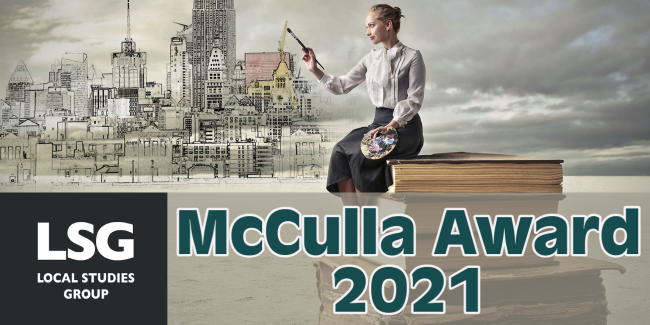
Librarian sitting on books painting a townscape. Large text below: Local Studies Group McCulla Award 2021

We are delighted to announce the winners of the McCulla Award. The McCulla Award recognises outstanding contributions to local studies librarianship. The winners for 2020 and 2021 are:

2020: Norma Crowe, Local Studies Librarian, Medway Archives Centre.

2021: Louise Birch, Senior Librarian Manager, Local Studies, Leeds Libraries

Many congratulations to Norma and Louise. We hope to organise a presentation in due course.

Alan Ball Award Winners Announced

We are very pleased to announced the winners of Alan Ball Awards for 2020 and 2021. The Awards recognise achievement in local history publication. This year there were three categories: best print publication, best e-publication and best community publication.  

It was very competitive field – we received around 38 nominations of the book award and 10 for the e-award – so many congratulations to all the winners and those highly commended. A thank you too to the judges and Solihull Library for hosting us.

2020

Hard-copy winner: John Simpson (ed),  Managing Poverty: Cheltenham Settlement Examinations and Removal Orders, 1831-52.  Published by the Bristol and Gloucestershire Archaeological Society.

Highly commended: Rowan Whimster, Ramsbury: A Place and its People. Published by the Friends of the Holy Cross Church, Ramsbury.

Community award: Louise Wong (ed.), Crossing the Borders [Stories of the S E Asian communities in Manchester]. An NLHF funded project by the Wai Yin Society / Manchester University / Ahmed Iqbal Ulah RACE centre –  Manchester Central Library / Manchester Art Gallery.

E publication award: Stroudwater History website – www.stroudwaterhistory.org.uk. Published by the Stroudwater Navigation Archive Charity.

2021

Hard-copy joint winner: The Picture of Yarmouth: 200 Years of Built Heritage. Published by the Great Yarmouth Local History & Archaeological Society.

Hard-copy joint winner: Louise Ryland-Epton (ed), Bremhill Parish Through the Ages: The Heritage of a Wiltshire Community. Published by the Bremhill Parish History Group.

Hard-copy highly commended: Lewis N Wood, Banstead War Memorial 100 Years: An Illustrated history. Published by the Banstead History Research Group.

Hard-copy highly commended: Clare Wichbold – Hard Work – But Glorious: Stories from the Herefordshire Suffrage Campaign (self-published).

Community award joint winner: Alison Wilson with Anna Crutchley and Lilian Rundblad, photography by Faruk Kara, A Community Remembers: Histon Road  (book with CD). Published by the Histon Road Area Residents Association.

Community award joint winner: Nunnery Lane and Clementhorpe: Exploring Old Shops and Pubs in York. Published by the Clements Hall Local History Group.

E-publication: South West Heritage Trails – Torbay Discovery Heritage Trail  www.southwestheritagetrails.org.uk. Published by South West Heritage Trust.

Toolkit – Local Studies in Scotland – Organisations

Return to Toolkit homepage

Much of the guidance found throughout this toolkit is relevant to delivering a successful local studies service in Scotland. The aim of this section is to provide additional information relating specifically to the Scottish context. This section does not aim to be exhaustive, but to provide a concise account of the key information relevant to local studies throughout Scotland.  It focuses on organisations and resources that are relevant to all or most of Scotland. This does not include those with a narrower regional scope, excellent though they may be.

The Chartered Institute of Library and Information Professionals in Scotland (CILIPS)

The Scottish professional organisation for librarians, information specialists and knowledge managers. CILIPS is affiliated and works in partnership with CILIP, the UK-wide organisation.

CILIPS delivers a diverse programme of development activities every year, which includes an annual conference, Autumn Gathering and a range of online learning sessions. Different areas of Scotland are covered by a network of regional branches and different aspects of the profession are represented by a range of Special Interest Groups, including one on local studies.

CILIPS is additionally a key force at a national level in advocacy for the value and potential of libraries and information professionals and runs a host of associated campaigns. The objectives of the organisation are set by its Trustee Board and shaped by the advice of the CILIPS Council, formed by representatives from the above branches and groups.

Local Studies Scotland (LocScot)

The CILIPS Special Interest Group focused on local studies.

LocScot is devoted to the care and dissemination of local and family history material in Scotland and to encouraging its use for the public good. The group aims to support individuals working in this specialism, run events throughout the year and represents local and family history interests in a wide variety of Scottish cultural and historical forums.

The group’s committee consists of librarians from around Scotland and involvement from new voices and new areas is welcome and desired. Membership of and involvement in the group is open to all CILIPS members.

LocScot is the Scottish sub-group of the CILIP Local Studies Group (LSG).

The Scottish Library and Information Council (SLIC)

The independent advisory body to the Scottish Government on library and information related matters. SLIC was formed in 1991 and provides a leadership focus for Scottish library and information services. The organisation seeks to lead and promote development in the library sector and monitor standards of provision. It also undertakes research promoting innovation and a greater understanding of the library and information sector in Scotland.

SLIC’s aim is to support Scottish library and information services through service innovation, funding provision and informative research.

It is a vital source of funding for Scottish library projects, runs its own high profile projects and develops national strategies and evaluative frameworks that relate to local studies provision and the wider library and information sector.

The Scottish Book Trust

A national charity that believes books, reading and writing have the power to change lives. This organisation states that a love of reading inspires creativity, improves employment opportunities, mental health and wellbeing and is one of the most effective ways to help break the poverty cycle. Their Live Literature programme is a significant part-funder for author events for organisations across Scotland, including for events with a local studies focus.

The Scottish Government

The Scottish Government has a huge influence on the planning, delivery, and evaluation of public services in the country. The overall goals of the Scottish Government are outlined in their National Performance Framework. There is strong potential for local studies to contribute to the national outcomes of this framework. The national outcomes can serve as top-level rationale for local studies work. Additionally, local Community Planning Partnerships, important organisations for local studies services across Scotland, take their lead from this national framework.

The National Library of Scotland (NLS)

The country’s national library and the only legal deposit library. The NLS’s collections range from rare historical documents to online journals and covers every subject. It specialises in Scotland’s knowledge, history and culture.

Beyond their vast reference collection, including much material concerning local areas, there is a wide range of eResources available to all Scottish residents, important in-house digital provision such as their Map Images website, and an interest in collaborating with local public libraries on innovative projects.

The latter includes the NLS’s involvement in the British Library created Living Knowledge Network. This network represents one way public libraries can collaborate with the NLS and other UK national libraries.

The Moving Image Archive

Scotland’s national collection of the moving image. The collection, formerly known as the Scottish Screen Archive, is part of the National Library of Scotland.

The Moving Image Archive collects, preserves and promotes access to films capturing Scotland and its people, from the early days of filmmaking to the present day. Their collection numbers over 46,000 items including film cans, videotapes, and digital files.

They are the foremost collection of this specialist type of material in Scotland. Their expert knowledge in this area, and exceptional collection, make them a vital organisation for Scottish local studies.

Historic Environment Scotland (HES)

The lead public body set up to investigate, care for and promote Scotland’s historic environment. Local studies librarians should be aware of their significant collections, their range of useful online resources relating to the country’s historic environment (detailed below), and the organisation’s ongoing role in managing Scotland’s historic environment.

National Records of Scotland (NRS)

The national archive for Scotland. The NRS is a Non-Ministerial Department of the Scottish Government and their purpose is to collect, preserve and produce information about Scotland’s people and history, making it available to inform current and future generations.

Their collections and digital provision make them a key organisation for local studies librarians. The NRS hold the most significant Scottish family history records, alongside a range of other important historical records. Their family history website, ScotlandsPeople (detailed below), is one of the key digital resources for Scottish family and local history.

Additionally, the NRS provide authoritative guidance on a variety of Scottish historical records – Research Guides A-Z. These are of great help for local studies librarians, for understanding the wider Scottish context, and for providing guidance to members of the public requiring help.

It should be noted that records relating to Scotland are also held by the UK National Archives. It is important to be aware that relevant information may be held at Kew rather than Edinburgh or Glasgow. The excellent research guides from both organisations provide information on this. 

Scottish Local History Forum (SLHF)

A membership organisation which aims to stimulate and encourage interest in local history and heritage in Scotland and to advance education and research in Scottish local history. The Forum can be joined by individuals or organisations such as libraries, museums and archives.

The Forum is a useful network allowing librarians to connect with people and groups interested in the subject area beyond public libraries. Additionally, it can be used to promote events, projects and collaborative opportunities and to learn what is going on in Scottish local history, including about new publications.

The chair of LocScot sits on the Forum’s Advisory Committee.

Museums Galleries Scotland (MGS) Geographic Museum Forums

Regional groups which are run independently though they receive support from MGS representatives. Their focus is on museums of any size, but the membership is open to any organisation with a heritage interest, including public libraries. These forums cover most of Scotland and can be good networks for peer-support, training, opportunities for collaboration, the sharing of news and to discuss matters of mutual interest.

Local heritage partners

This is not limited to Scotland, but it is vital to establish what other heritage organisations are active in one’s locality and how they relate to local studies provision. This potentially includes local authority colleagues in museums, archives, registrars, planning and archaeology. These services may have varied formal and informal links to the library service.

Additionally, it is vital to develop an understanding of the non-council heritage related groups, including those with tangential connections to heritage such as art, reminiscence, nature, community, and environmental groups amongst others, as well as family history societies and local heritage organisations. Groups such as the abovementioned Geographic Museums Forums from Museums Galleries Scotland can be useful for developing this understanding and building rewarding relationships with compatible organisations.

Got something to add?

Do you have any comments, suggestions or updates for this page? Add a comment below or contact us. This toolkit is only as good as you make it.
Next: Local Studies in Scotland – Resources

Return to Toolkit homepage

Toolkit – Local Studies in Scotland – Resources

Return to Toolkit homepage

Back to Local Studies in Scotland – Organisations

Much of the guidance found throughout this toolkit is relevant to delivering a successful local studies service in Scotland. The aim of this section is to provide additional information relating specifically to the Scottish context. This section does not aim to be exhaustive, but to provide a concise account of the key information relevant to local studies throughout Scotland.  It focuses on organisations and resources that are relevant to all or most of Scotland. This does not include those with a narrower regional scope, excellent though they may be.

ScotlandsPeople

The family history website of the National Records of Scotland. The range of records to which it provides access, including some exclusively, make this a vital website for much Scottish historical research.

Statutory registration of births, marriages and deaths was introduced in Scotland in 1855. ScotlandsPeople is the sole online method of searching and accessing these records. The website is also the only comprehensive online source of digital images of pre-1855 church registers and census records. Additionally, the 1911 census, and the 1921 census in due course, for Scotland is only available from ScotlandsPeople.

The site also makes available a variety of other useful records from the collection of the National Records of Scotland: valuation rolls, legal records, poor relief and migration records, prison registers and kirk session documents.

There is currently no library subscription or discounted access available for the ScotlandsPeople website. There are however ScotlandsPeople Centres dotted around the country, including their main searchroom in Edinburgh, that provide onsite use of the website with a potentially cost saving day-rate – listed here.

It should be noted that transcriptions of some of the NRS held records may be available on other websites such as Ancestry, FindMyPast and FamilySearch. Including Old Parish Registers and Scottish census records (1841-1901), these transcriptions may fruitfully be used with existing microfilm holdings in libraries and family history societies.   

ScotlandsPlaces

This is a free-to-use website allowing access to a range of location-based historical records from three Scottish national collections. The site draws on the collections of Historic Environment Scotland, the National Records of Scotland and the National Library of Scotland. The records available on the site include maps, surveys and plans, photographs, archaeological records, drawings, tax rolls, Ordnance Survey name books, and publications. See here for a list of the records accessible on the site.

National Library of Scotland Map Images

An outstanding and immensely useful website from the National Library of Scotland. It provides free online access to a tremendous collection of digitised historic maps and plans, including large scale Ordnance Survey maps. The use of georeferencing allows for features such as the side-by-side viewer to compare historic maps with modern mapping or satellite imagery.

National Library of Scotland eResources

The National Library of Scotland provides all residents of Scotland free access to a variety of online subscription resources. These services can often be accessed remotely, though some can only be used at the Library’s reading rooms. Many of these are relevant to local studies, alongside a host of other subjects.

The NLS’s eResources and Map Images are part of a wider Digital resources offer. An increasing use of digital provision has made the National Library more accessible to residents throughout Scotland and of increasing significance and potential to local studies provision.  

CANMORE

Historic Environment Scotland’s website database catalogues archaeological sites, buildings, industry, and maritime heritage across Scotland. A crucial, first port of call when interested in a feature of the historic built environment. As tends to the case with websites of this nature, due to the number of entries on them, use of the “Search Map” option is recommended. The bibliographic references that accompany many of the websites’ entries can be particularly useful for those in the library world.

Scottish Listed Building’s Portal

Historic Environment Scotland’s website with entries for all listed buildings in Scotland. This is a vital companion website to the above CANMORE. The listed building entries often provide historic information and architectural description that is useful for enabling further research.

Local authority historic environment records (HER): Historic Environment Scotland CANMORE website draws upon, and works in partnership with, regional historic environment records that are typically maintained by archaeology services within local authorities. Local HERs may contain more detailed or differing information than the national equivalent and so are another vital resource for Scottish local studies. 

PastMap

Historic Environment Scotland’s PastMap represents a useful way to explore the country’s historic environment and discover information sources about it. It brings together in one interface access to some of the resources mentioned above.

Scran (also known as the Scottish Cultural Resources Access Network)

This site from Historic Environment Scotland provides educational access to digital materials representing Scotland’s material culture and history. It hosts images, movies and sounds from museums, galleries, archives, and the media. It is useful for searching across the collections of several services, particularly for historical images, and contains Scottish content that is not available elsewhere online.

The Dictionary of Scottish Architects (DSA)

A collaborative database providing biographical information and job lists for all architects known to have worked in Scotland during the period 1660-1980, whether as principals, assistants or apprentices. Highly useful for enabling further research on the built environment.

Statistical Accounts of Scotland

The University of Edinburgh Library’s website provides free online access to The Old Statistical Account 1791-1799, The New Statistical Account 1834-1845 and useful accompanying information. The site provides access to high quality digital copies of these most useful works for Scottish history in a reliable and understandable way.

Internet Archive

Digitised versions of many copyright-expired works relating to Scotland can be found on the Internet Archive website. This can be tremendously useful for libraries and researchers but there are understandable limitations to this online collection. These limitations become apparent when attempting to consult multi-volume or multi-edition works. This highlights the importance of the more curated approach demonstrated by the Statistical Accounts of Scotland website.

Scottish History Society publications

Comparable to the above, the National Library of Scotland provide high quality access to digital versions of over 180 volumes published by the Scottish History Society. This is a hugely useful collection for Scottish historical research.

Society of Antiquaries of Scotland publications

This organisation have also digitised and made available a large collection of their previous publications. This includes Proceedings of the Society of Antiquaries of Scotland (PSAS), Archaeologia Scotica, and various books released by the Society.

Union archive catalogues

It is important that librarians have a good understanding of the material available in archives and how this can be found. There are a number of online catalogues that are useful for searching Scottish archive collections.

The Scottish Archive Network (SCAN) is no longer an active project but its catalogue continues to be a useful way to search across collections held by Scottish local authorities and higher education institutions. It is maintained by the National Records of Scotland (NRS).

The National Register of Archives for Scotland (NRAS) is also maintained by the NRS. This catalogue enables the finding and searching of archives held in private hands.

The National Records of Scotland hold one of the most significant archives collections in the country and this can be searched on their dedicated online catalogue.  

Archives Hub is a UK-wide union catalogue from JISC and is another catalogue worth bearing in mind.

Much Scottish archival material can also be found on the UK National Archives Discovery catalogue. It can serve as a useful pointer towards external collections.    

Scottish Local History Directory

This resource was developed by the Scottish Local History Forum in partnership with the National Library of Scotland and LocScot. It is a useful tool for finding Scottish resources and the organisations that hold them. It can be searched in a variety of ways. Additionally, librarians can use the directory to promote their collections.

Got something to add?

Do you have any comments, suggestions or updates for this page? Add a comment below or contact us. This toolkit is only as good as you make it.
Return to Toolkit homepage

Toolkit – Co-ordinating local studies across a service

Return to Toolkit homepage

Though each authority is different, every service is likely to have a range of libraries reflecting the size of its population, each with local studies materials covering their local area. The authority is likely to have small libraries which would primarily hold publications, a county service will have larger divisional libraries which will collect material in their section of the county and would include maps, photographs and newspapers, and there will normally be a central collection, often now housed with the county archive. These different tiers often mean that there is some duplication, whilst rarer material could be held in one of a number of places.

The role of co-ordinating local studies in a county library service has been traditionally carried out by a County Local Studies Librarian sitting at Library HQ, however the role is now also being undertaken by staff in County archives, shared between several officers or as part of a wider role.

Whoever co-ordinates local studies activities, there are core duties and responsibilities that need to be undertaken:

Leadership, planning and creating a vision

Co-ordinators should have a vision of where their local studies service should go in the longer term. Consideration should be given to the council and library/archive service’s objectives together with specific objectives relating to improving your collections. It will take time for those new to a co-ordinator’s post to evaluate the current situation, in terms of collection strengths and weaknesses, and the extent of resources and opportunities available.

It is important to keep up-to-date with the changes in technology and new innovations. New innovations may be able to work for your collection but also consider the robustness and longevity of emerging technologies and concepts to ensure you don’t waste resources unnecessarily.

Once a way forward has been found, the vision can be sold to those above, broken into sections for the annual library/archive plan and into short-term targets and individual tasks.

More information on this topic can be found in the planning and priorities sections of the toolkit:

Leading projects

Often the most effective way to meet organisational priorities is to create a project that attracts external funding. Through project work you can engage specific target groups within the community and employ a project officer. Outcomes of the project, whether they are oral histories, displays, booklets, films or photographs can be added to collections and members of the community invited to view the resources and continue to deposit material after the project has ended. See the Creating & running large projects section of the toolkit for more information.

Consistency

Whilst acknowledging that divisional and central local studies centres will have larger collections and may have library professionals to undertake local studies work, it is important to ensure that, as much as possible, local studies work and collections are consistent across the county as:

  • customers should get the same level of service wherever they go
  • it enables library staff, who increasingly tend to work at several library locations and who are less likely to build-up stock knowledge, to reuse their local studies skills
  • it ensures that best practice is consistently applied.

However, the person co-ordinating local studies should be pragmatic. Since many local studies collections were not under county council control until 1974, there may be several different ways of organising material and, whilst several collections may be extremely well arranged, others may be poorly catalogued and indexed and have no finding aids at all. As it is a challenge to effectively use a badly arranged and listed collection, it should be a longer-term priority to improve the finding-aids and listings in weaker collections, however the days of reclassifying all book stock are over. In authorities where even getting local staff to create indexes is impossible, you can be creative when putting together project bids, after all a photographic digitisation project, perhaps using volunteers, must also be accompanied by cataloguing and indexing material.

As well as having less-developed local studies collections, weaknesses and inconsistencies can be more widespread. For example, it is becoming increasingly apparent that many collections do not adequately reflect the community they serve. LGBTQ, BAME and traveller communities are under-represented in many collections. Details of any such stock gaps and how to fill them should be incorporated into your collection development policy.

Though you should be pragmatic in tackling past problems, it is important to be consistent with new projects going forward, for example, you should have a consistent approach to outreach activities, such as those that build links with underrepresented communities and image projects [link to image section of the toolkit] should use the same rules to ensure that the material created can be easily re-used in future.

Staff training

Local studies users in branch libraries are often assisted by non-specialists so it is important to increase local studies knowledge at a local level, especially where specialist local studies posts have been lost through budget cuts, retirements or in areas of high staff turnover. Opportunities for physical countywide meetings are increasingly rare, so local studies librarians need to be innovative in how they deliver training. Training notes, quizzes, short induction films that can be viewed when staff have time off the library floor or at quieter times when on enquiry duty are all useful tools. E-learning using interactive PowerPoint presentations also work well and are relatively simple to produce.

Though innovative solutions are valuable, “What is where” tours of local collections will have the biggest impact and an induction tour of the central archive and local studies collection(s) will emphasise the key message for any staff training – making staff confident to refer customers onto specialist staff in local studies hubs at the appropriate time. 

Centralised duties

Some areas of local studies work are more efficient if undertaken centrally for example:

  • Preserving access to local newspapers through microfilming and/or digitisation – see newspaper section of the toolkit.
  • Stock work – Purchasing material published in small print runs, self-published books or discovering unpublished written research is another key aspect of the role. A key is raising awareness of this amongst non-specialist staff across the county as it is they who are often better placed to identify publications produced by authors and organisations in the towns and villages across the service. The co-ordinator should also dedicate time to building contacts with local authors and members of the public who ask for help with their research – see users section of the toolkit, together with the sections concerning the collections policy and book stock.
  • Conservation – this is another area of responsibility which requires specialist knowledge.  See the conservation section of the toolkit.
  • Policy work such as Emergency planning.

Marketing 

Promotion of the collections is increasingly important, so having good working relationships with the media/communications teams working for your library authority and at the town/county hall are essential. During the pandemic many libraries raised the profile of their collections considerably by being active on social media sites and producing special online exhibitions and talks. Demand for such activities continue post pandemic and this may be a challenge in some libraries as normal services resume.

It is critical that you build links with the local community, local and family historians and other professionals around the country so that you can identify potential partners for project working, enquiries can be referred on, expertise or good practice shared or sought and links made to ensure the highest level of service locally can be provided. 

Raising the profile of the collections internally within your service’s parent organisation is essential. This is partly to increase the perceived value of the collections and the service to the community when major budget decisions are made, but also to encourage colleagues to see that you are successfully addressing the authority’s priorities, the collections are a source of information for their own work and as a potential partner for future projects . As such, evaluating the impact of your work and of your collection is also important so that you have the ability to prove to stakeholders that your service matters.

For further details, see the following sections of the toolkit

Management responsibilities

The local studies co-ordinator may also be a member of an archive and local studies management team and groups of other senior librarians. In such forums you should champion local studies and take up opportunities to demonstrate how local studies ‘makes a difference’.

As a manager, you may line manage local studies librarians and other library staff.

The key?

Helping customers to find answers to the questions they have by making sure that material is available, accessible, knowing where the answer may be located, letting people know about the services available to them and working with others and your collection to forward the aims of your parent organisation are the ultimate aims of any librarian, and no more so than the officer charged with co-ordinating local studies.

Got something to add?

Do you have any comments, suggestions or updates for this page? Add a comment below or contact us. This toolkit is only as good as you make it.
Return to Toolkit homepage