
Norma Crowe, former Local Studies Librarian at Medway Archives Centre
Elaine Gardner, Friends of the Medway Archive member since 2006 and current Chairman
Amanda Thomas, Friends of the Medway Archive member and Editor of FOMA’s journal, The Clock Tower
The foundation of a Friends group attached to and supporting Medway Archives was the brainchild of the Archivist, Stephen Dixon, in 2005. It was clear that the Centre needed to explore mechanisms and methods to raise the profile of the Centre and to assist with fundraising.
The Friends group was set up and fortunately a good number of folk with recognised communication skills and also with a firm interest in Medway’s local history became founder members.
The Friends of the Medway Archive (FOMA) operates as an independent organisation with a constitution and a committee. The Society lends its support to the Centre by helping with Centre activities but also by organising their own events, fundraising, promotion and research. FOMA has its own website which includes an index of Medway men who fought and died in the First World War. It publishes a quarterly journal, The Clock Tower, which includes articles about Medway local history, forthcoming events and letters. Articles are written by Society members, staff of Medway Archives and other organisations with a local interest. Past journals, the FOMA De Caville Index and other information can be accessed via their recently upgraded website: http://foma-lsc.org
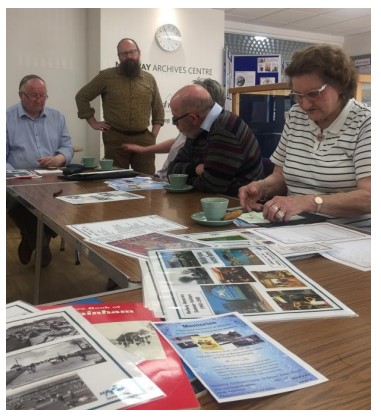
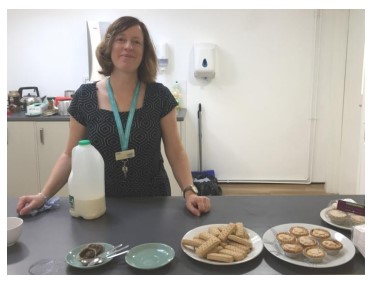
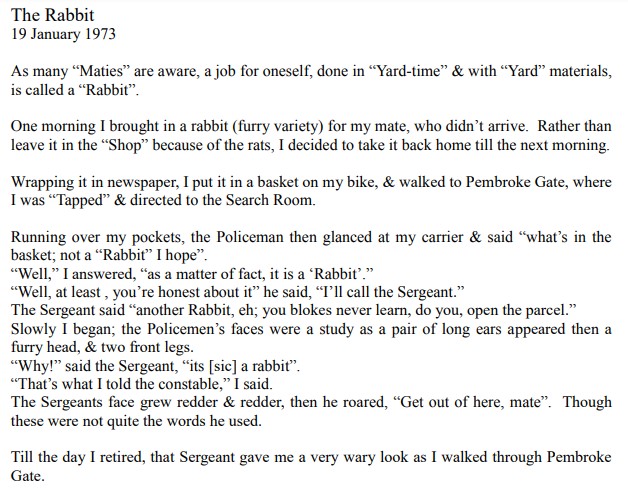
Image 1 training for a reminiscence project, image 2: the importance of tea and cake for any event! Image three: A MAC letter transcribed by a FOMA volunteer.
View from the Local Studies Librarian: Norma Crowe
I am fortunate to have had the support and assistance (not to mention the friendship) of many members of the Friends of Medway Archives. It can be a lonely job, trying to compete for recognition, notice and funds in the fraught world of local government. The backing of our Friends was helpful and reassuring in many ways. I had been in post for 10 years when the Friends came into being, so I can compare what it was like with and without them!
Here are some of the ways in which the Friends have assisted Medway Archives:
Events
Friends help at Centre events, stewarding, refreshments etc. They are also supportive, attending talks and other Centre events. Joint FOMA/ Centre events and initiatives are also possible. FOMA members sign up as volunteers if they offer their services in this way.
Exhibitions
Committee members have devised displays for the Centre, providing research and using Centre resources.
Outreach and education
FOMA volunteers have assisted Centre staff and colleagues from other departments of Medway Council with education and outreach projects, notably with the World War One-related Medway Soldiers Stories on our Streets project. They have assisted with research and with delivery of projects in schools and to interest groups. FOMA members have assisted with reminiscence events and with local history open days and talks.
Promotion/ Awareness raising
FOMA, as an independent body, is able to raise matters of concern with MAC’s parent body (Medway Council) and with other institutions. It can get articles in the local press; it can express opinions and criticise when important to do so. Centre staff are effectively prevented from doing this. The opinion of the electorate (sadly) has more clout!!
Grant applications
Working closely with the Archivist and centre staff, FOMA submitted a grant application to the Heritage Lottery Fund for funds to catalogue part of the Rochester City records. An important and fund- securing part of the HLF application was that the project archivist would work with volunteers. The selected volunteers (all members of the Friends) were trained to read old handwriting and to sort and repackage documents in the collection. And at the end of the project volunteers helped with outreach to local schools, promoting the use of the Rochester’s fascinating Archives in historical research.
Fundraising
Through its annual events and its subscription FOMA has raised funds which have supported the Centre. FOMA has, over the years, funded digitisation, microfilming, exhibitions and exhibition boards and the purchase of documents for the archives and local studies collections.
Support
It is good for the Centre to have the support of people with an interest in the local area and its history, knowing that they are on your side and are prepared to stand up on your behalf.
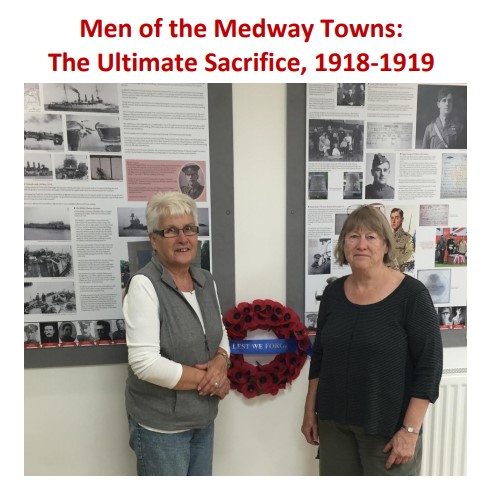
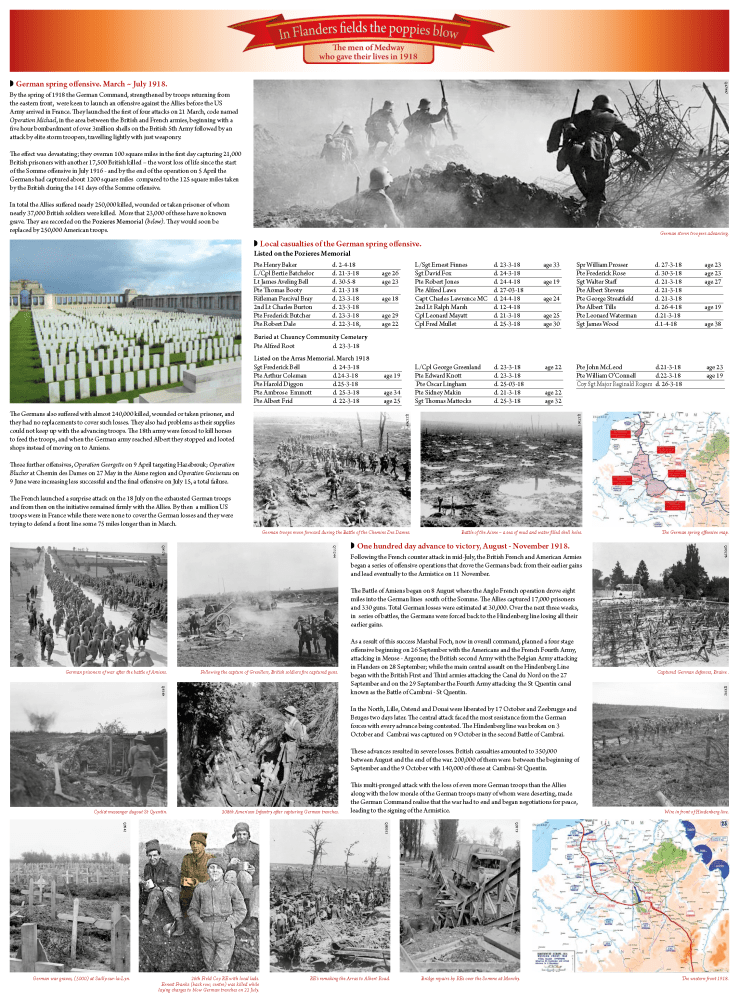
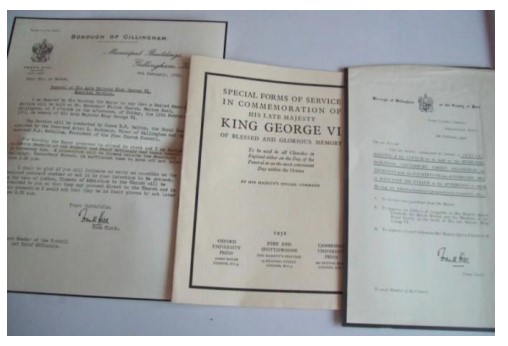
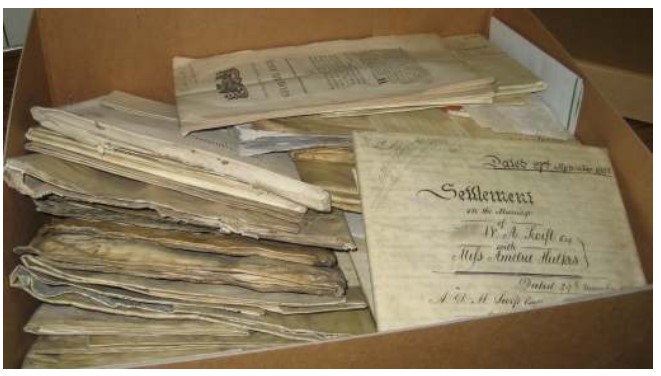
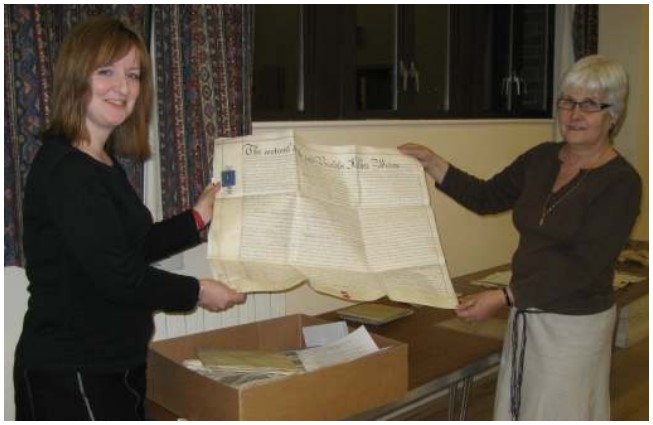
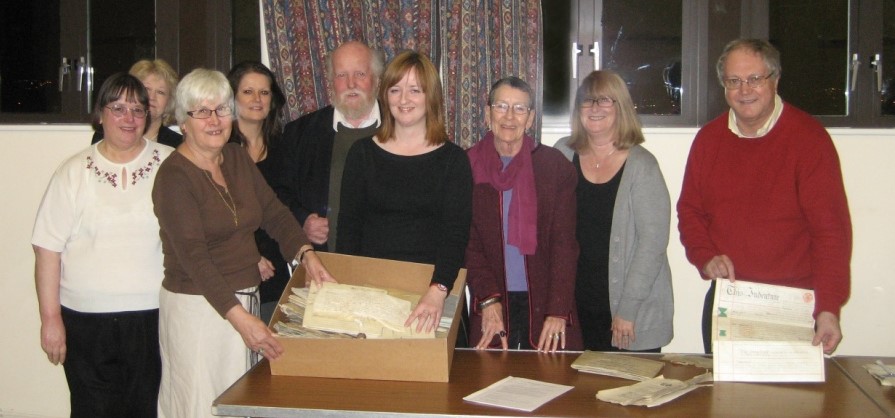
Images 1 & 2: FOMA exhibition. Images 3 & 4 Material purchased by FOMA from Ebay and elsewhere and donated to MAC.
View from the Friends: Elaine Gardner:
Having heard of the launch meeting via the City of Rochester Society and an ex-colleague who was involved with the County History for Everyone project I went along and signed up as a member that evening. I did not really get involved with any specific activity until I was co-opted on to the committee a year or so later as Stephen, the Archivist, wanted someone involved in education to help with the education side of the Heritage Lottery bid. Pointing out that I taught Maths and knew very little about the History curriculum carried no weight!
Once the bid had been obtained and was underway, I took on the education aspect that any HLF project demands, delivering the programme both in schools and through talks to adult groups highlighting the material in the City of Rochester Archive over the three years of the project, something I’d not done before. I also helped as part of a group repackaging the archive material to help with its conservation once it had been catalogued.
I was not involved with collating the FOMA De Caville Index of Medway’s First World War casualties, but once it was launched in 2014 and Norma asked the FOMA committee if we could stage exhibitions based on the casualties, I finished up working with the then FOMA chairman producing an exhibition each year, from 2014 to 2018 inclusive, highlighting the men who lost their lives and the First World War events in which they were involved. Much of the content of these can be seen on the FOMA website. This led to involvement with Medway Councils 1918-2018 Heritage Lottery Project Soldiers Stories on Our Streets, where I again went into primary schools along with the Guildhall Museum education team.
Whilst I’d always had an interest in local history, 40 years of teaching secondary mathematics hadn’t really developed many research skills! Being involved as a volunteer gave me new interests as I retired, and I have enjoyed helping Medway Archive and Local Studies in a variety of ways as well as being involved with fundraising in FOMA.
Finding member volunteers to get involved with the committee, especially as many of us get older, isn’t always easy but I think that this is something many societies find and events of the last two years [Covid-19] have not helped. It is very satisfying to be able to support the work of our Archive and Local Studies service and provide a voice and funds where they are limited.
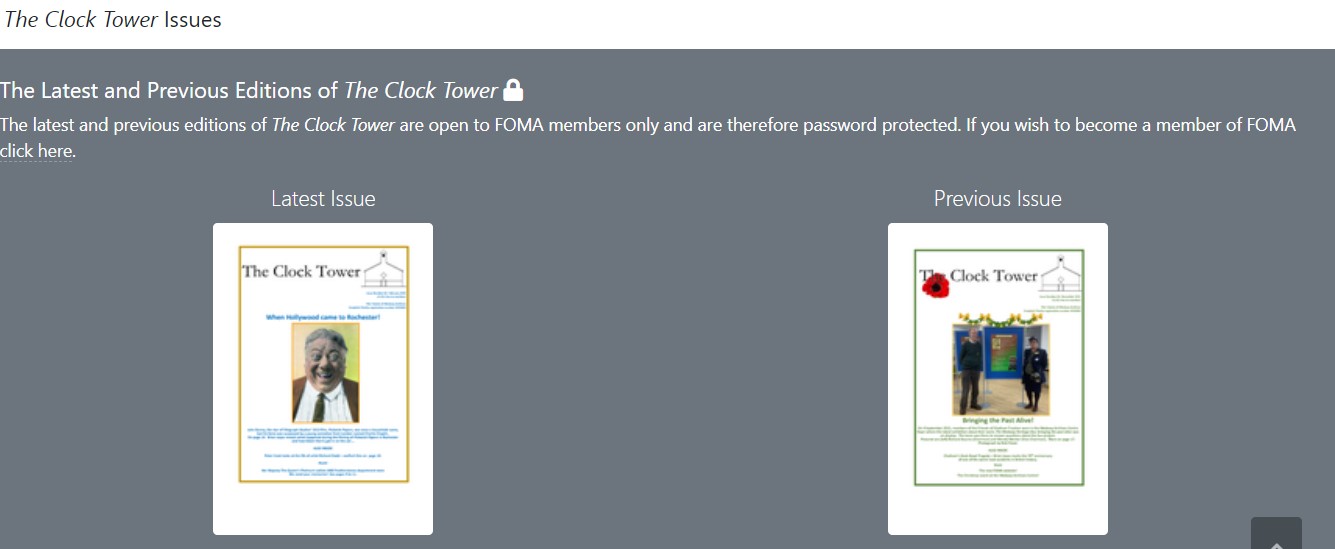
View from the Friends: Amanda Thomas
I joined FOMA in 2006. Prior to this, I had visited the Medway Archives Centre for historical and family research purposes and already felt I had a relationship, especially with the staff who were always very friendly. However, not living locally, I was concerned this might be a barrier to becoming more involved; I need not have been concerned.
I was not a founding member, but I was one of the earliest. I responded to an appeal by Stephen Dixon, the then Archivist, who was looking for someone with writing experience to set up a FOMA journal, later named The Clock Tower. Having taken time out of full-time work to raise a family, this was a wonderful opportunity to ease back into my career, and what I love doing most. It also gave me a reason to spend more time in the Medway Towns, where I was born and have many happy memories. One of the joys of the Friends is that everyone shares the same passion for history and for raising the profile of Medway’s heritage. It was this coming together of like-minded people, many of whom were women, which was so exciting and – most important of all – beneficial for the Archive.
Over the years we Friends have taken on the role of ambassadors for the Archive and local Medway heritage. We are always looking for helpful and promotional opportunities and some of us have even travelled overseas, for example with the Live Bait Squadron Society, to the Netherlands during the World War One commemorations. In addition, we are constantly listening to the needs of the Archive and their customers, and are also able to liaise with the local council. We have most definitely created both a bridge – and a conduit – for better practice.
All images courtesy of the Friends of Medway Archives (FOMA)
 CILIP Local Studies Group