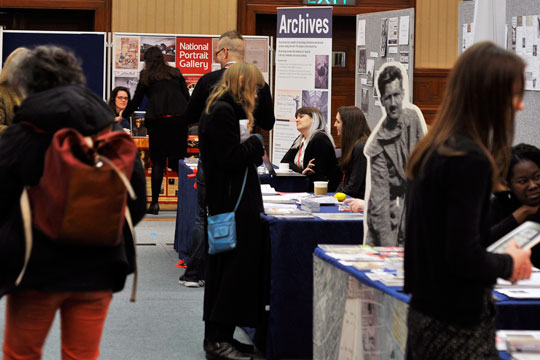
It is important to build relationships with a wide circle of fellow professionals, so you can identify potential areas of joint working and refer enquiries to useful services. Local Studies staff also need an understanding and awareness of other heritage professionals’ practices, especially as the divisions between fellow heritage professionals are narrowing and users will not be aware that priorities, attitudes and training in these professions are quite different.
These can include visits, meetings and temporary exchanges in staff. Key groups include:
- Neighbouring collections, especially those with overlapping collections. These include collections both inside and outside your authority. Local networks of local studies librarians include:
- County Record Offices.
- Local Museums
- Family history societies
- Local history societies
- Archaeological services, especially the Site and Monuments Officers.
Other important relationships within your local authority network includes:
- Planning offices (Especially the Buildings Conservation Officer and the guys who produce all of the maps for the Council)
- Parks departments.
- IT
- Arts Development
- Conservators
- Communications & Social Media Officers.
- Tourist information officers
- Registrars and cemetery staff
You also need an understanding of roles of those organisations on the national stage. In England, Local Studies sits uneasily between the remits of the Arts Council and the National Archives, so an awareness of their priorities is important. The British Library also plays a key role and the Society of Antiquaries of London, the learned society for our area, also has some interesting resources.
There are a number of national heritage organisations you need to know about. These include:
- The Imperial War Museum, especially their Memorials Register: War Memorials Register.
- Historic England, especially National Heritage List for England
Your local area history and traditions will also dictate which specialist regional and national heritage organisations you need to know about.
- Museum of English Rural Life (though they also have a lot of material on the growth of towns and cities, as they care for the archive of the Council for the Protection of Rural England)
- National Coalmining Museum
The Broader picture:
You also need a wider view of the library world, which is where CILIP Update and old friends from library school can help.
Further Reading
Martin Hayes, Sleeping wuth the enemy : co-operation between archivists and librarians in West Sussed, Local Studies Librarian, v.16(1) 1997, p.2-5
Local Studies Toolkit: Who uses a local studies collection
Got something to add?
Do you have any comments, suggestions or updates for this page? Add a comment below or contact us. This toolkit is only as good as you make it.

 CILIP Local Studies Group