
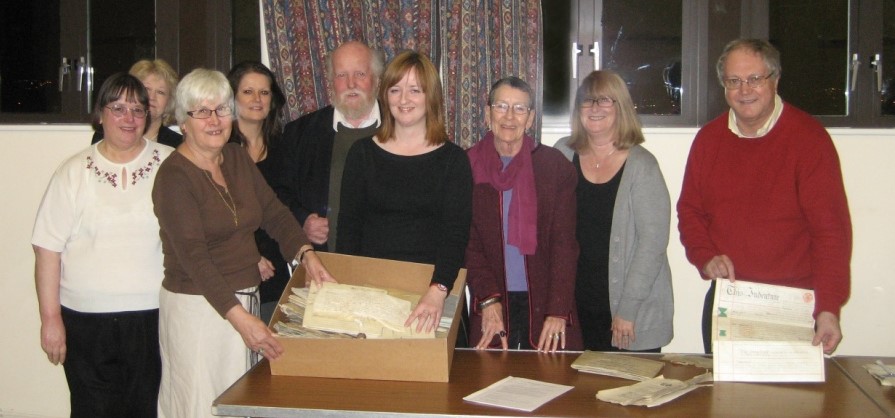
Volunteers and users can very quickly become your unit’s most enthusiastic advocates and, by working together to form a Friends Group, their support can be grown in different ways.
What can a Friends Group do for you?
They can support your local studies service and your parent body as:
- They can raise awareness of your service and its wonderful resources
- They are a vehicle for recruiting able volunteers
- They can be vocal and active advocates for your service. They can lobby on your behalf.
- They can help with fund-raising and accessing funding streams
- They can assist with outreach and engagement
Be clear about your service’s relationship with your Friends
- Establish parameters: what Friends do with you, what they for you and what they don’t do
- Underline that suggestions and assistance are welcomed but that it is library staff and the parent organisation who make policy decisions about your local studies service
- It is wise to encourage your Friends to set themselves up as a separate independent group with a constitution and a committee
- Discuss what they will do. Will they have their own events, projects and fundraising activities?
- Will they have charitable status?
Having Friends is a responsibility
- Don’t take your Friends for granted! Their status must be recognised in some way: remember to thank them as you would any other volunteers.
- Hold regular reviews. Attend their events and report to their committee and to each AGM
- The Friends must get something out of the relationship. Devise joint projects. Ask for help with funding specific projects and purchases.
Establishing and running a Friends Group
In order to be able to apply for funding, a Friends Group needs to be officially constituted. The Community Archives and Heritage Group has some excellent advice on setting up and running volunteer led voluntary organisations, whilst if you decided to become a registered charity you will need to register with the Charity Commission and their website has the most authoritative guides on how to take the process forward.
After the group is established, the Friends might find some of the Lottery Heritage Fund’s pointers on organisational sustainability and planning of use and there is also a lot of useful information from Brighton and Hove’s Resource Centre.
However, running a Friends Group is not all about structures, as AIM points out, it is about having a good spirit and ethos.
Further Reading:
- Local Studies toolkit – Volunteers
- A case study on the work of the Friends of Medway Archives
Got something to add?
Do you have any comments, suggestions or updates for this page? Add a comment below or contact us. This toolkit is only as good as you make it.

 CILIP Local Studies Group