
Traditionally a mainstay of local studies and family history society projects, indexes and transcriptions give us access to high quality and obscure information contained in valuable sources. Current digitisation projects build on these techniques to make digitised material more searchable.
Collection and retention:
Local Studies Collections should collect and retain high-quality indexes and transcriptions relating to material held within their collection area. These include:
- Newspaper indexes and cuttings files – often created by local studies staff and contain high quality information not easily found anywhere else, but the decline in local print media and a lack of time and resources may make these difficult to keep updated.
- Parish registers – often undertaken by local history societies and volunteers, these include the names, dates and other details found in registers of baptisms, marriages and burials.
- Monumental inscriptions – often undertaken by churches.
- Census transcripts – some of the first transcriptions were undertaken by local history societies and these are often of a higher quality than later versions found on genealogy websites like Ancestry.
- Microfiche copies of the IGI (International Genealogical Index) – Although largely superseded by Familysearch, the IGI is still a high-quality though selective index to parish records.
- Other archive material books – companies such as the EurekA Partnership (The Eureka Partnership – Family History, Ancestry, Family Tree | The Eureka Partnership) still produce amazing publications from primary sources locked away in Record Offices.
Digitisation of paper indexes
Many index creators have digitised their work and local studies staff should also consider doing so. One service which has done so for many years is Hertfordshire Archives & Local Studies, who started by digitising their parish record indexes and then asked volunteers to create new name indexes from other records in their collection. Users from all over the world can now use their Hertfordshire Names Online database to order copies of records and newspaper articles.
Why create indexes and transcription in the digital age?
Computers cannot be relied on to interpret digital copies of text… yet. OCR software can often create excellent transcriptions of books and pamphlets. Free software, such as that provided by Google and other providers can do a good job of interpreting newer material, though pay-for programmes, such as ABBYY FineReader, produce better quality results.
OCR software has not yet mastered older typefaces, including some newsprint, nor most handwritten material, so the services of volunteers or external suppliers are still of value. As those who have struggled with family history resources know, the quality of an online resources is only as good as the information that gets placed into it, so large amounts of data checking is often required to ensure a good result.
Examples of transcription guidelines include:
US National Archives transcription guidelines
Smithsonian ‘s transcription Guidelines
In house or crowdsourcing?
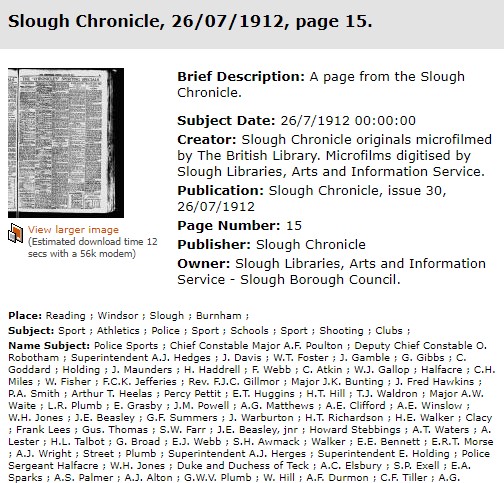
Libraries and archives traditionally invite readers into their libraries to transcribe material, however once material has been digitised volunteers can volunteer from the comfort of their own home. The great advantage is that much more work can take place, for example, virtually all the main newspaper pages from Slough History Online were indexed by one volunteer. However, the amount of work produced by such enthusiastic volunteers can be a challenge for smaller units.
Archive projects, such as AnnoTate have used crowdsourcing as a way of transcribing large amounts of archive material:
Of course, like the National Archives, the answer could be a blend of the two: Current opportunities – Get involved (nationalarchives.gov.uk)
Got something to add?
Do you have any comments, suggestions or updates for this page? Add a comment below or contact us. This toolkit is only as good as you make it.

 CILIP Local Studies Group